Do Hearing Aids Work for Everyone? Understanding Candidacy
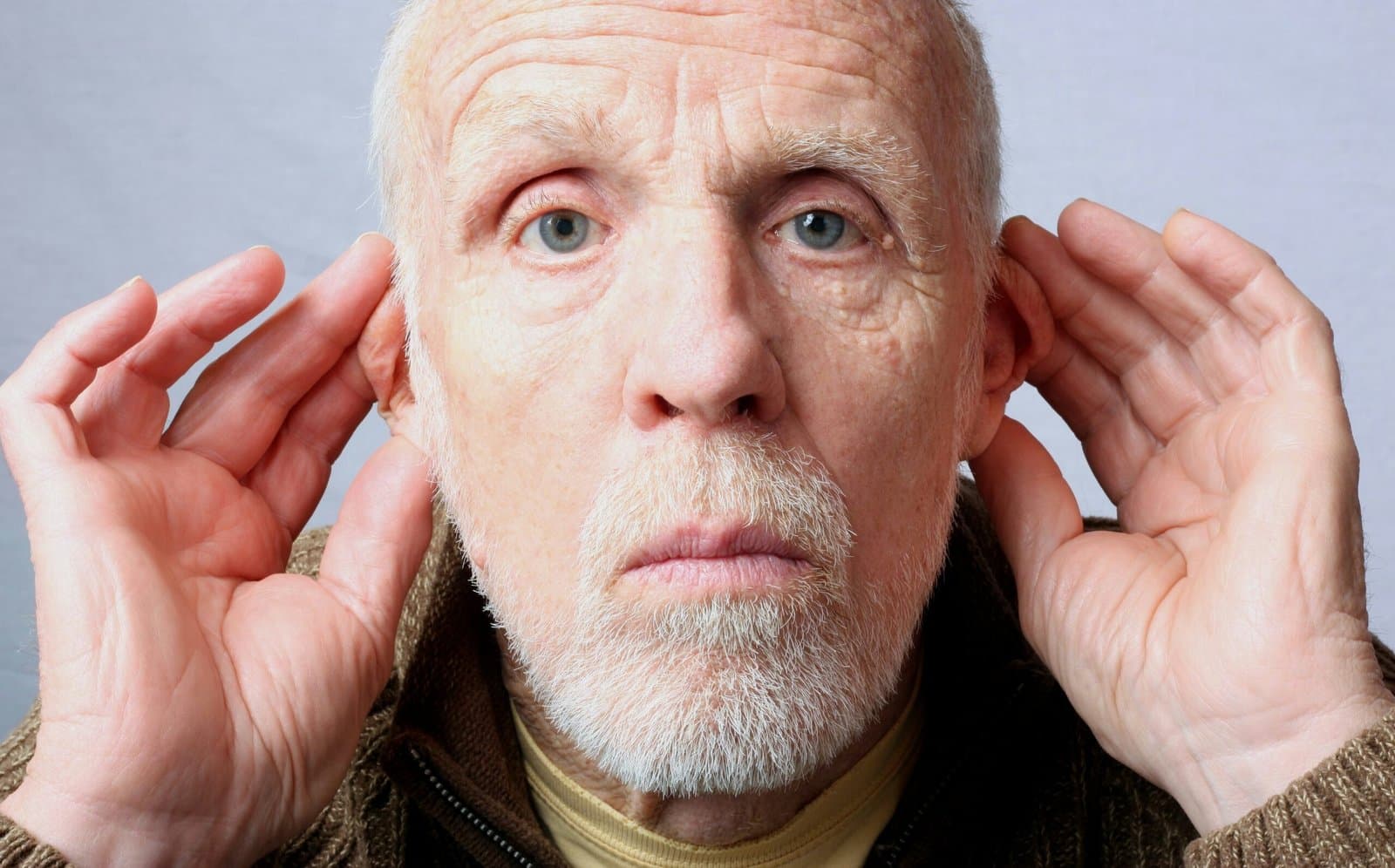
Hearing aids help millions of people hear conversations more clearly, stay connected, and feel more confident in daily life. But an important question many people ask is: Do hearing aids work for everyone?
The honest answer is no. Hearing aids are highly effective for many people, but not every person with hearing difficulty is an ideal candidate. That is why understanding hearing aid candidacy matters. The right evaluation can help determine whether hearing aids are likely to help, what type of device may be appropriate, and whether another solution should also be considered.
What Is Hearing Aid Candidacy?
Hearing aid candidacy refers to whether a person is likely to benefit from hearing aids based on their hearing loss, ear health, communication needs, and overall listening challenges.
A professional evaluation looks at several factors, including:
- type of hearing loss
- degree of hearing loss
- speech understanding ability
- lifestyle and communication needs
- medical history
- expectations for improvement
This matters because hearing aids are not simply amplifiers. They are personalized devices designed to improve access to sound in a way that fits a person’s specific hearing profile.
Who Is Usually a Good Candidate for Hearing Aids?
Many people with mild, moderate, or severe hearing loss are strong candidates for hearing aids, especially when the hearing loss is sensorineural, which is the most common form of permanent hearing loss.
Good candidates often include people who:
- frequently ask others to repeat themselves
- struggle to hear conversations in restaurants or group settings
- turn the TV volume up higher than others prefer
- feel like people are mumbling
- have trouble hearing on phone calls
- notice that hearing problems affect work, relationships, or social life
For these individuals, properly fitted hearing aids can significantly improve communication and quality of life.
Do Hearing Aids Work for All Types of Hearing Loss?
Not always. The type of hearing loss plays a major role in hearing aid candidacy.
Sensorineural Hearing Loss
This is the most common type and is often caused by aging, noise exposure, or genetics. People with sensorineural hearing loss are often good candidates for hearing aids because amplification can improve access to sounds they are no longer hearing well.
Conductive Hearing Loss
This type happens when sound cannot travel efficiently through the outer or middle ear. Causes may include earwax buildup, fluid, infection, or structural issues. Some conductive hearing loss can be treated medically, so hearing aids may not always be the first step.
Mixed Hearing Loss
This is a combination of sensorineural and conductive hearing loss. Many people with mixed hearing loss still benefit from hearing aids, but treatment may also involve medical care.
Why Some People Benefit More Than Others
Even when two people have similar hearing test results, they may have different experiences with hearing aids. That is because hearing involves more than just volume.
Hearing aid success can depend on:
- how well a person understands speech
- how long the hearing loss has gone untreated
- how often they are in noisy environments
- whether they are willing to wear hearing aids consistently
- whether the devices are professionally fitted and adjusted
Hearing aids do not restore perfect hearing. Instead, they improve access to sound and speech, which can make communication much easier for the right candidate.
When Hearing Aids May Not Be the Best Solution
There are situations where hearing aids may not provide enough benefit on their own.
Examples include:
- profound hearing loss with very limited speech understanding
- certain medical conditions affecting the ear
- auditory nerve issues
- untreated ear disease or blockage
- hearing difficulties caused primarily by another medical problem
In these cases, a hearing professional may recommend additional medical evaluation or discuss other options, such as assistive listening devices or cochlear implant evaluation.
Speech Understanding Matters
One of the most important parts of determining hearing aid candidacy is measuring speech understanding, not just detecting tones on a hearing test.
Some people can hear sounds but still struggle to understand words clearly. If speech understanding is very poor, hearing aids may still help, but results may be more limited than expected.
That is why a complete hearing evaluation is so important. It gives a fuller picture of what hearing aids are likely to improve.
Lifestyle Also Affects Candidacy
A person’s lifestyle plays a major role in choosing hearing technology and determining whether hearing aids are the right fit.
For example, someone who:
- attends meetings regularly
- spends time with family often
- goes to church or social events
- talks on the phone frequently
- wants to stay active and independent
may benefit greatly from hearing aids because they have many communication demands throughout the day.
Someone with fewer listening demands may still be a candidate, but their needs and expectations may be different.
The Importance of Professional Evaluation
The best way to determine hearing aid candidacy is through a professional hearing evaluation. This process helps identify:
- whether hearing loss is present
- what type of hearing loss you have
- how severe it is
- whether hearing aids are likely to help
- which features may be most useful
A professional evaluation also helps rule out problems that may require medical treatment instead of hearing aids.
Without this step, people may buy devices that do not fit their needs, leading to frustration and disappointment.
Why Proper Fitting Matters
Even if someone is a strong candidate, poorly fitted hearing aids can lead to poor results. That is why professional programming and follow-up care are essential.
A proper fitting helps ensure that:
- sounds are amplified appropriately
- speech is clearer
- loud sounds remain comfortable
- feedback is minimized
- the device matches the person’s lifestyle needs
Sometimes people assume hearing aids do not work for them when the real issue is that the devices were never properly fitted.
Common Myths About Hearing Aid Candidacy
“My hearing is not bad enough yet.”
Many people wait too long. Early treatment often makes adjustment easier and helps people stay connected.
“Hearing aids work the same for everyone.”
They do not. Success depends on the type of hearing loss, speech understanding, fitting quality, and expectations.
“If I need hearing aids, it means I’m old.”
Hearing loss affects adults of all ages. Addressing it early is a smart health decision, not a sign of weakness.
“If one person didn’t like hearing aids, they won’t work for me either.”
Every case is different. Modern technology and professional fitting can make a big difference.
Signs You May Be a Good Candidate
You may be a good candidate for hearing aids if you:
- struggle to understand conversations
- notice hearing problems in quiet or noisy settings
- feel tired after listening
- avoid social situations because of hearing difficulty
- want help hearing more clearly in daily life
The only way to know for sure is to have your hearing tested and reviewed by a professional.
The Bottom Line
So, do hearing aids work for everyone? Not for everyone, but they work very well for many people when candidacy is properly evaluated, and devices are professionally fitted.
Understanding hearing aid candidacy helps set realistic expectations and makes it easier to choose the right next step. For the right person, hearing aids can improve communication, reduce frustration, and make everyday life more enjoyable.
Contact Quality Hearing Today
If you’re wondering whether hearing aids are right for you, schedule a professional hearing evaluation. The right guidance can help you understand your hearing needs and explore solutions that truly fit your life.
Recent Posts
Rechargeable vs. Battery Hearing Aids: Which Is Easier to Use?
JUNE 20, 2026
How Southern California Heat and Moisture Affect Hearing Aids
JUNE 11, 2026

What Is Industrial Hearing Screening and Why Does It Matter?
MAY 24, 2026

What Makes Hearing Aids More Comfortable for Daily Wear?
MAY 20, 2026
Hearing Aid Repair or Replacement?
APRIL 28, 2026

Why Professional Hearing Aid Fitting Matters More Than the Device Alone
APRIL 20, 2026