Rechargeable vs. Battery Hearing Aids: Which Is Easier to Use?
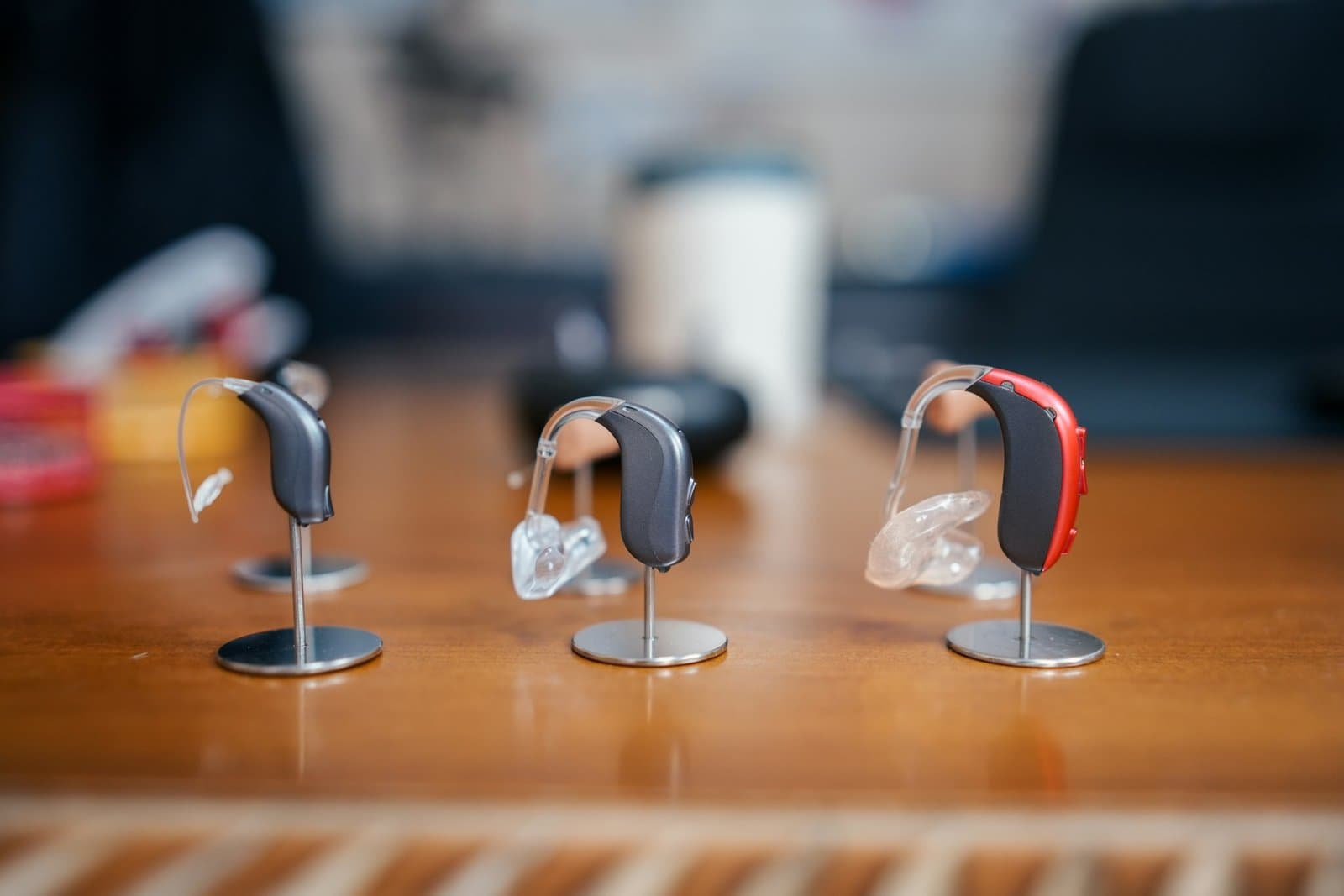
Rechargeable hearing aids are easier to use for most people because you place them in a charger at night instead of handling tiny disposable batteries. However, traditional battery-powered hearing aids may still be more convenient for frequent travelers, people who regularly spend time away from electrical outlets, or anyone who prefers carrying spare batteries instead of remembering to charge a device.
The right choice comes down to your daily routine. We have patients who love the simplicity of setting their hearing aids in a charging dock every night. Others feel more comfortable knowing they can replace a battery immediately and continue with their day.
How Do Rechargeable Hearing Aids Work?
Rechargeable hearing aids contain built-in batteries that are powered through a charging station or case. At the end of the day, you remove the hearing aids and place them in the charger. They are generally ready to wear again the following morning.
Many current devices are designed to provide a full day of normal use on one charge. Actual battery life can vary depending on the model and how much time you spend streaming phone calls, music, or television audio.
For example, Quality Hearing 4 Less offers rechargeable options from major manufacturers, including Phonak hearing aids and Signia hearing aids. Certain Signia models provide up to 30 hours of use on one charge, while Phonak offers several rechargeable options designed for all-day wear.
Why Are Rechargeable Hearing Aids Often Easier to Use?
The biggest advantage is that there are no tiny batteries to remove, unwrap, and insert.
Disposable hearing aid batteries are small. Changing them can be frustrating for someone with arthritis, reduced hand strength, vision changes, or difficulty feeling small objects with their fingertips.
Rechargeable hearing aids can simplify the routine:
- Wear the devices during the day
- Place them in the charger before bed
- Put them back on the next morning
- Avoid storing and purchasing replacement batteries
The charging case also gives the hearing aids a consistent place to stay overnight. This can make them less likely to be misplaced on a nightstand, bathroom counter, or kitchen table.
Rechargeable models may be especially helpful for older adults whose spouse, adult child, or caregiver assists with their hearing aids. Instead of checking battery levels and replacing cells, the helper can confirm that both devices are seated correctly in the charger.

Are Disposable-Battery Hearing Aids Difficult to Use?
Not necessarily. Some people have used disposable batteries for years and can change them without any trouble.
Traditional hearing aids commonly use zinc-air batteries in sizes 10, 13, 312, or 675. The battery begins activating after its colored tab is removed and it is exposed to air.
Battery-powered hearing aids may be a good fit when you:
- Are comfortable handling small batteries
- Do not want to depend on a charging station
- Travel or camp without reliable electricity
- Prefer changing a battery immediately rather than waiting for a device to charge
- Need a specific hearing aid style that is not available with rechargeable power
A dead disposable battery can usually be replaced in a minute or two. Keeping a package in your purse, car, desk, or travel bag provides an easy backup.
The tradeoff is that you must remember to purchase the correct size and keep replacements nearby. Batteries should also be stored safely away from children and pets. The National Institute on Deafness and Other Communication Disorders recommends replacing dead batteries promptly and keeping both batteries and small hearing devices out of their reach.
Which Type Has Better Battery Life?
Rechargeable hearing aids are generally designed to last through a normal waking day, but streaming can use additional power. Long phone calls, music, podcasts, and television accessories may cause the battery to drain faster.
Disposable-battery life can range from several days to more than a week depending on the battery size, hearing aid power level, streaming habits, and daily wear time.
The better question is not simply which battery lasts longer. It is which charging or replacement routine will be easier for you to maintain consistently.
A rechargeable device may technically last all day, but it will not be convenient if you frequently forget to charge it. A disposable battery may last several days, but it may still be frustrating if opening the battery door is difficult.
What Happens If You Forget to Charge Your Hearing Aids?
This is the most common concern we hear about rechargeable hearing aids.
Forgetting to charge them can leave you without working devices until you reach a charger. Some charging cases store additional power and allow you to recharge without plugging the case into a wall, which can be helpful during travel or long days away from home.
You can also make charging easier by connecting it to something you already do every night. Place the charger near your toothbrush, phone charger, or bedside lamp with a goal to make charging automatic rather than another task you need to remember.
Which Hearing Aids Are Easier for Travel?
Both types can work well for travel, but they have different advantages.
Rechargeable hearing aids reduce the need to pack disposable batteries. A portable charging case can be very convenient for flights, hotel stays, and road trips. You will still need the correct charging cable and, for international travel, the appropriate power adapter.
Battery-powered hearing aids do not need access to electricity. You can pack extra batteries and replace them anywhere. This can be useful for camping, extended travel, emergencies, or destinations where reliable power is uncertain.
Many travelers feel most comfortable with a rechargeable hearing aid and a portable charger. Others prefer the simplicity of carrying a few battery packages. There is no single correct answer.
Does the Battery Type Affect Hearing Quality?
The power source alone does not determine how clearly you will hear.
Your hearing aid’s programming, style, technology level, fit, and suitability for your hearing loss are far more important. The National Institute on Deafness and Other Communication Disorders recommends selecting hearing aids based on your hearing needs, lifestyle, maintenance requirements, warranty, and ability to use the devices comfortably.
A rechargeable hearing aid is not automatically better simply because it is newer. Likewise, a disposable-battery model is not outdated if it fits your needs and works reliably.
Rechargeable or Battery Hearing Aids: Which Should You Choose?
Rechargeable hearing aids are usually the easiest choice when you want a simple nightly routine and do not want to handle small batteries. They are especially useful for people with arthritis, vision limitations, or reduced finger dexterity.
Disposable-battery hearing aids may be easier when you spend long periods away from power, prefer carrying immediate backups, or already feel comfortable replacing batteries.
Before choosing, consider:
- Can you easily open a small battery door?
- Will you remember to charge your devices every night?
- How often do you travel or stay away from electrical outlets?
- Do you stream calls or entertainment frequently?
- Would a portable charging case make you feel more comfortable?
- Is your preferred hearing aid style available in both versions?
The FDA recommends learning how to clean, maintain, and replace the batteries in a hearing aid before making a purchase. A hearing professional can demonstrate both rechargeable and disposable-battery models so you can see which feels easier to manage
Let Us Help You Compare Your Options
The easiest hearing aid is the one you feel comfortable wearing, charging, cleaning, and using every day. A feature that sounds convenient on paper may not fit your actual routine, which is why it helps to see and handle the devices before making a decision.
Quality Hearing 4 Less offers personalized hearing evaluations, hearing aid fittings, repairs, and ongoing support in Orange, California. Our specialists can show you rechargeable and replaceable-battery options from several leading brands, explain how each one works, and help you choose a device that fits your hearing needs and budget.
Schedule a consultation with Quality Hearing 4 Less or call (657) 272-0426 to compare hearing aids in person.
Recent Posts

How Often Should Hearing Aids Be Professionally Cleaned?
JULY 28, 2026
How Southern California Heat and Moisture Affect Hearing Aids
JUNE 11, 2026

What Is Industrial Hearing Screening and Why Does It Matter?
MAY 24, 2026

What Makes Hearing Aids More Comfortable for Daily Wear?
MAY 20, 2026
Hearing Aid Repair or Replacement?
APRIL 28, 2026