How Southern California Heat and Moisture Affect Hearing Aids
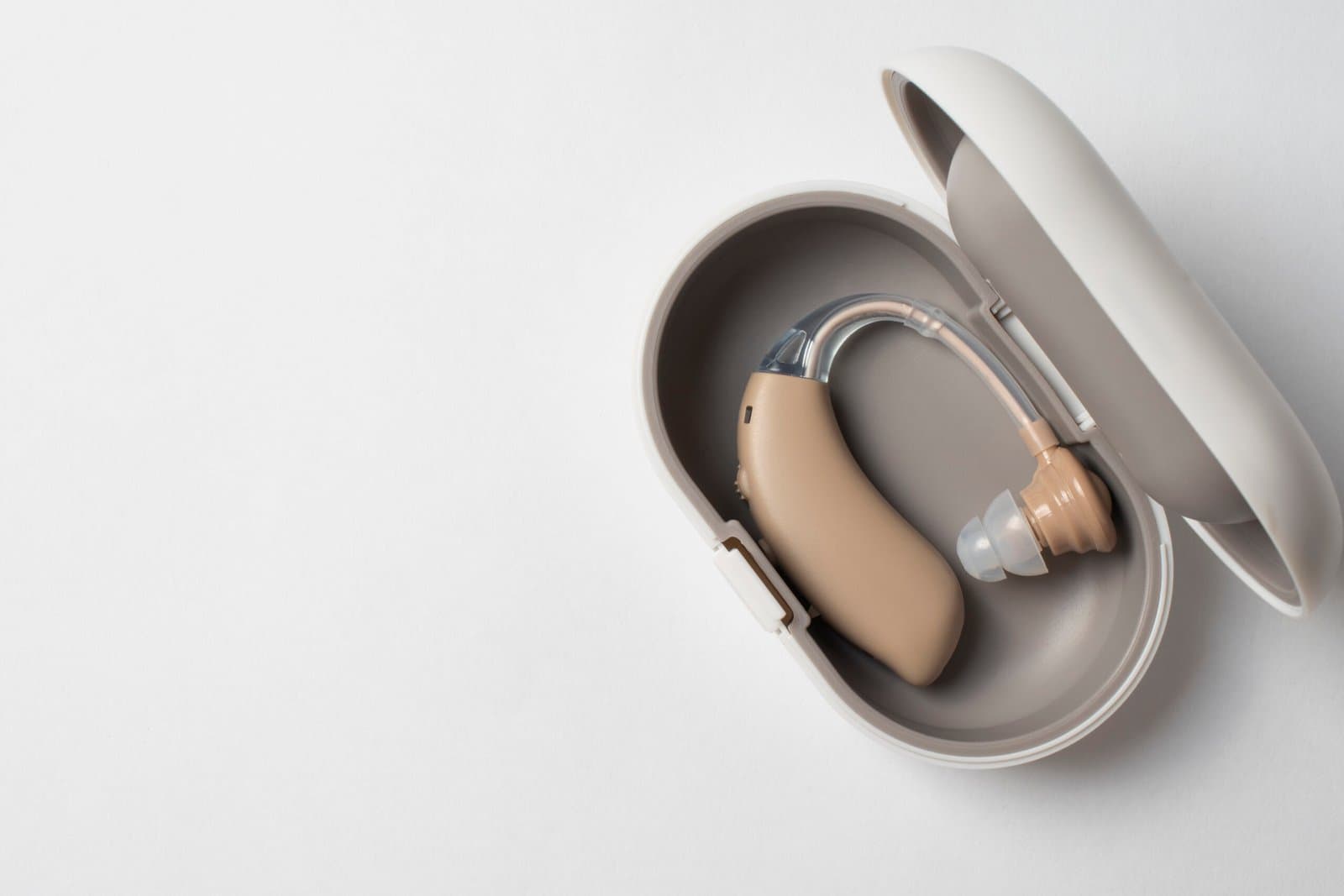
Southern California heat and moisture can cause hearing aids to sound weak, cut in and out, drain batteries faster, or stop charging properly. Sweat, coastal humidity, sudden temperature changes, and leaving devices in a hot car can all affect the small electronic components inside them. A simple daily cleaning and drying routine can prevent many of these problems.
If your hearing aids have started acting differently during hot weather, do not assume they need to be replaced. Quality Hearing 4 Less provides hearing aid repair services in Orange, CA, including professional cleaning, troubleshooting, maintenance, and repairs for major hearing aid brands.
Why Southern California Weather Can Be Hard on Hearing Aids
Southern California does not have one single type of summer weather. Someone near the coast may deal with damp mornings and salty ocean air, while someone farther inland may regularly experience much higher afternoon temperatures.
What many people do not realize is that hearing aids go through several different environments in one day. You might leave an air-conditioned home, walk through a hot parking lot, spend time outdoors, and then return to a cool building. Those temperature changes can allow small amounts of condensation to collect around the device.
Add perspiration, sunscreen, dust, and earwax, and your hearing aids may be working in a much harsher environment than you realize.
How Heat Affects Hearing Aids
Modern hearing aids are designed for everyday use, but they are still small electronic devices. Prolonged exposure to extreme heat can affect batteries, charging systems, plastic casings, internal circuitry, and adhesive materials.
One of the most common summer mistakes is leaving hearing aids in a parked vehicle. Even when the outdoor temperature feels manageable, the inside of a closed car can become extremely hot.
Avoid leaving your hearing aids in:
- A parked car
- Direct sunlight
- A bag sitting beside a pool
- A hot garage
- An unventilated storage area
Store them in a protective case somewhere cool and dry. Hearing-aid manufacturers also recommend keeping devices out of direct sunlight and away from extreme heat when they are not being worn.
How Sweat and Moisture Cause Problems
Sweat is one of the biggest warm-weather concerns for hearing-aid users. It can collect behind the ear, around the microphone openings, inside the battery compartment, or near the receiver.
Over time, trapped moisture may:
- Interfere with microphone performance
- Block wax filters or receiver openings
- Cause intermittent or distorted sound
- Affect batteries and charging contacts
- Contribute to corrosion inside the device
This does not mean you need to take your hearing aids off whenever you feel warm. It does mean they should be wiped down and dried after exercise, yard work, outdoor events, or any activity that causes heavy sweating.
Beach days create a few additional concerns. Salt, sand, sunscreen, and moisture can all affect hearing-aid performance. Apply sunscreen before inserting your hearing aids and wash or dry your hands before touching them again. Never wear hearing aids while swimming unless your specific device is expressly designed and approved for that use.
Signs Your Hearing Aids May Have Moisture Damage
Moisture problems are not always dramatic. Sometimes the hearing aids still turn on, but they do not sound quite right.
Watch for:
- Muffled or unusually quiet sound
- Static or crackling
- Sound that cuts in and out
- Shorter battery life
- Difficulty charging
- Buttons that stop responding
- Visible moisture in the battery area
- Frequent wax-filter blockages
Before assuming the device has failed, check the wax guard, dome, microphone openings, and battery. Moisture and debris can sometimes create symptoms that feel like a larger electronic problem.
If cleaning and drying do not solve the issue, a professional inspection can help determine whether the hearing aid needs a deeper cleaning, a new receiver, a battery-related repair, or manufacturer service.

A Simple Hot-Weather Hearing Aid Care Routine
You do not need a complicated maintenance schedule. A few consistent habits usually make the biggest difference.
During the Day
- Keep a protective case with you.
- Never leave hearing aids in a parked car.
- Remove them before swimming, showering, or using a sauna.
- Dry your ears before reinserting the devices.
- Handle hearing aids with clean, dry hands.
- Wipe them after heavy sweating.
Every Evening
Use a clean, dry cloth to wipe the outside of each hearing aid. Gently brush debris away from the microphone openings, receiver, dome, and wax filter.
If your hearing aids use disposable batteries, follow the manufacturer’s directions for opening the battery doors overnight to improve airflow. Rechargeable devices should normally be placed in their approved charger or drying system.
A hearing-aid dryer or dehumidifier can be especially useful for people who exercise frequently, work outdoors, live near the coast, or perspire heavily. Quality Hearing 4 Less also carries hearing aid cleaning supplies and replacement wax filters for several major brands.
Do not try to speed up the drying process with a hair dryer, microwave, oven, or direct heat. High temperatures can damage the device even further. The American Speech-Language-Hearing Association recommends minimizing moisture inside hearing aids and notes that a drying container can help extend their usable life.
Are Water-Resistant Hearing Aids Waterproof?
Many newer hearing aids provide strong resistance to moisture and dust. Some carry an IP rating that indicates how well their casing protects the internal components.
Water resistance is helpful for everyday sweat, light rain, and accidental splashes. It does not automatically mean the devices are safe for swimming, showering, or prolonged submersion.
The exact level of protection varies by brand and model. Your hearing care provider can explain your device’s rating and what it means for your normal routine.
Even highly water-resistant hearing aids should still be cleaned and dried regularly. Moisture can remain around microphone ports, domes, wax guards, charging contacts, and other exposed areas.
When to Schedule a Professional Cleaning or Repair
Bring your hearing aids in for professional attention when:
- The sound remains weak after cleaning
- The devices repeatedly cut out
- Charging has become inconsistent
- You see corrosion or discoloration
- A battery compartment will not close properly
- The hearing aids were soaked or submerged
- You are replacing wax guards unusually often
- One hearing aid sounds noticeably different from the other
Do not wait until the device completely stops working. Early cleaning or repair may prevent moisture from causing more extensive damage.
Keep Your Hearing Aids Working Through the Southern California Summer
Hot days, coastal moisture, and an active outdoor lifestyle do not have to keep you from wearing your hearing aids. The best protection is a regular routine: keep them out of hot cars, wipe away sweat, store them somewhere dry, and pay attention when the sound changes.
If your hearing aids sound muffled, stop charging, or keep cutting out, you may be surprised by how much a professional cleaning or repair can help. Contact Quality Hearing 4 Less in Orange, CA, or call (657) 272-0426 to schedule a free consultation or have your hearing aids inspected.
Recent Posts
How Often Should Hearing Aids Be Professionally Cleaned?
JULY 28, 2026
Rechargeable vs. Battery Hearing Aids: Which Is Easier to Use?
JUNE 20, 2026

What Is Industrial Hearing Screening and Why Does It Matter?
MAY 24, 2026

What Makes Hearing Aids More Comfortable for Daily Wear?
MAY 20, 2026
Hearing Aid Repair or Replacement?
APRIL 28, 2026