Hearing Aid Repair or Replacement?
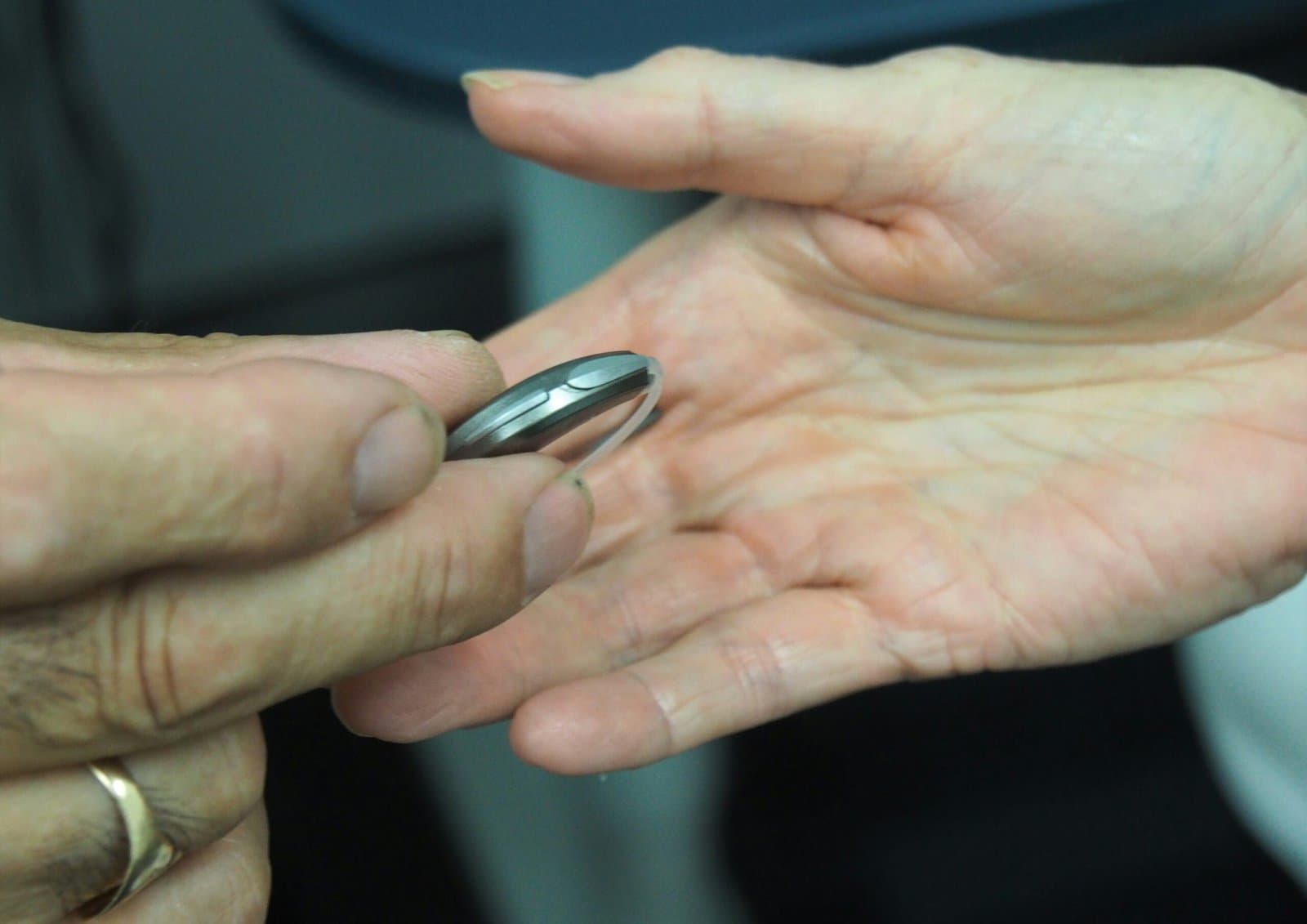
If your hearing aids are not working as they used to, your first thought may be that it is time for a replacement. But often, that is not true. Many common hearing aid issues can be fixed quickly and affordably, especially when caught early.
That is why understanding hearing aid repair is important. Before investing in new devices, it helps to know which problems are often repairable, when repair makes financial sense, and when replacement may be the better long-term option.
For many patients, the best answer is not automatically repair or replace. It is understanding which makes more sense based on the device’s condition, the age of the technology, and your current hearing needs.
Yes, Many Hearing Aids Can Be Repaired
Hearing aids are small but sophisticated devices. Over time, they are exposed to moisture, wax, daily handling, battery cycles, and physical wear. Because of this, problems happen. The good news is that many common issues are repairable.
A professional evaluation can often determine whether the problem is minor, moderate, or severe. Often, a hearing aid that seems “dead” or unreliable may still be a good candidate for service.
Common repairable issues include:
- moisture damage
- broken tubing or domes
- charging or battery problems
- weak or distorted sound
- devices that stop working completely
Some of these can be fixed with simple in-office service, while others may require manufacturer repair.
What Causes Hearing Aids to Stop Working Properly?
Hearing aids are worn daily in challenging conditions. Even with good care, the devices sit in or behind the ear for hours each day, exposed to wax, sweat, skin oils, and movement.
Here are some of the most common reasons patients need hearing aid repair:
Moisture Damage
Moisture is one of the most common causes of hearing aid malfunction. Sweat, humidity, accidental water exposure, or even temperature changes can affect internal components.
Moisture damage may cause:
- intermittent sound
- static or crackling
- weak amplification
- charging issues
- complete device failure
Sometimes professional drying and cleaning solve the issue. Other times, internal parts need repair or replacement.
Broken Tubing or Domes
For hearing aids with tubing or soft domes, regular wear can cause these parts to crack, harden, loosen, or break over time.
This may lead to:
- poor sound quality
- whistling or feedback
- loose fit
- discomfort
- reduced amplification
These components are often replaceable without needing a new hearing aid.
Charging or Battery Problems
Rechargeable hearing aids may develop problems with the battery, charging port, or charger. Traditional battery-powered devices can also have contact issues, corrosion, or battery door problems.
These issues may show up as:
- short battery life
- unreliable charging
- Hearing aids do not turn on.
- Devices are losing power unexpectedly.
Sometimes the problem is minor. Other times, aging battery systems make repairs less worthwhile.
Weak or Distorted Sound
If a hearing aid still turns on but sounds weak, muffled, distorted, or inconsistent, the problem may be related to wax buildup, damaged microphones, blocked receivers, or worn internal parts.
This issue is frustrating because users may assume their hearing has worsened when the device is actually underperforming.
Devices That Stop Working Completely
A hearing aid that stops working entirely is not always beyond repair. Sometimes the cause is simple. Other times, professional diagnostics are needed to determine if repair is possible or replacement is more practical.
When Hearing Aid Repair Makes Sense
Often, repair is the most sensible first step.
Hearing aid repair often makes sense when:
- The problem is limited to one component.
- The device is still relatively current.
- The hearing aid has otherwise been performing well.
- The repair cost is lower than the replacement cost.
- You are satisfied with the technology and fit.
- The issue can be resolved through in-office service or manufacturer repair.
For example, replacing tubing, domes, or minorly damaged parts can restore performance without a full device upgrade.
If the hearing aid continues to suit your needs and the issue is isolated, repair is often the more practical and cost-effective option.
When Replacement May Be the Better Choice
Repair is not always the best long-term answer. Sometimes a device can be repaired, but replacing it offers better performance, value, or fewer future issues.
Replacement may make more sense when:
- The hearing aid is older and nearing the end of its lifespan.
- Repairs are becoming frequent.
- The cost of repair is high.
- The model is outdated.
- Battery systems are failing repeatedly.
- Sound quality no longer meets your needs.
- Your hearing has changed significantly since the device was fit.
Most hearing aids last several years, but not forever. Over time, hardware and technology become less competitive compared with newer devices.
Why Age of the Device Matters
One of the biggest factors in deciding between hearing aid repair and replacement is the hearing aid’s age.
Older devices may still function, but age affects:
- battery performance
- availability of replacement parts
- compatibility with current accessories
- Reliability of microphones and receivers
- overall sound processing quality
Even if an older hearing aid can be repaired, it may not provide the speech clarity, noise management, and connectivity features of newer models.
That does not mean every older device should be replaced immediately. It means repair decisions should prioritize long-term value over short-term convenience.
How Newer Hearing Technology Changes the Decision
When a hearing aid is older, replacement may bring benefits beyond simply getting the device working again.
Newer technology may offer:
- better speech clarity
- improved performance in background noise
- rechargeable convenience
- Bluetooth connectivity
- more advanced feedback management
- better comfort and customization
- improved automatic listening programs
If your current hearing aids have needed multiple repairs and still do not perform as you want, replacement may improve your daily hearing experience, not just restore basic function.
Financially, When Is Repair Worth It?
Cost is a key part of this decision.
Repair may be financially worthwhile when:
- The repair is minor
- The device is still fairly new.
- Performance was good before the issue developed.
- The hearing aid still meets your communication needs.
- There is no pattern of repeated failure.
Replacement may make more financial sense when:
- repair costs are high
- The device has needed service multiple times.
- future reliability is uncertain
- Your hearing needs have changed.
- You would benefit significantly from better technology.
A lower repair cost can seem appealing in the short term, but if the device is likely to keep failing or no longer provides the support you need, replacement may be the better investment.
Why Professional Evaluation Matters Before Deciding
It is difficult to make a smart repair-versus-replace decision without knowing the cause of the problem.
A professional hearing provider can help determine:
- What is wrong with the device
- whether the issue is repairable
- whether in-office service is possible
- whether manufacturer repair is needed
- whether replacement would provide better long-term value
This is important because some problems that seem serious are simple, while others that look minor may indicate deeper internal wear.
The Value of In-Office Hearing Aid Repair
One major advantage of working with a local hearing provider is access to in-office hearing aid repair when possible.
This can be helpful because it may allow for:
- faster service
- immediate troubleshooting
- cleaning and maintenance
- tubing or dome replacement
- checks for battery or charging issues
- specialist guidance concerning next steps
For many patients, this shortens the time and decreases the frustration of being without hearing support longer than needed.
Questions Patients Should Ask Before Replacing Hearing Aids
If your device is acting up, here are a few smart questions to ask before replacing it:
- Is the issue repairable?
- Is this a minor problem or a sign of more extensive device wear?
- How old is the hearing aid?
- Does it still meet my hearing needs?
- Would repair restore strong performance, or just basic function?
- Am I likely to face more repairs soon?
- Would newer technology significantly improve my hearing experience?
These questions shift the decision from “Can it be fixed?” to “What makes the most sense for my hearing and budget?”
The Bottom Line
So, can hearing aids be repaired? In many cases, yes. Common problems, including moisture damage, broken tubing or domes, charging issues, weak sound, or complete device failure, may still be repairable.
But hearing aid repair is not always the right long-term answer. The best choice depends on the device’s condition, service costs, the age of the technology, and whether the hearing aid still meets your current hearing needs.
Repair can be a smart, cost-effective solution. Replacement can be a smarter investment when the device is outdated, unreliable, or no longer delivering the performance you need. The key is getting the device evaluated before making that decision.
Contact Quality Hearing 4 Less
If your hearing aids are not performing the way they should, call Quality Hearing 4 Less today to schedule an evaluation. We offer in-office hearing aid repair and can help you determine whether repair or replacement is the better option for your needs.
Recent Posts
How Often Should Hearing Aids Be Professionally Cleaned?
JULY 28, 2026
Rechargeable vs. Battery Hearing Aids: Which Is Easier to Use?
JUNE 20, 2026
How Southern California Heat and Moisture Affect Hearing Aids
JUNE 11, 2026

What Is Industrial Hearing Screening and Why Does It Matter?
MAY 24, 2026

What Makes Hearing Aids More Comfortable for Daily Wear?
MAY 20, 2026