What Makes Hearing Aids More Comfortable for Daily Wear?

For many people, choosing to get hearing aids is just the beginning. The next big question is whether they will be comfortable enough to wear every day. Even the best device will not help if it ends up in a drawer rather than in your ears.
The good news is that today’s hearing aids are more comfortable than ever. Thanks to new technology, better materials, improved fitting, and more personal care, wearing them every day is easier for both new and skilled users. Still, comfort is not guaranteed. It depends on choosing the right device, getting a good fit, and ensuring your hearing aids suit your ears, needs, and lifestyle.
If you are interested in what makes hearing aids comfortable, here are the key things to know.
Comfort Starts with the Right Fit
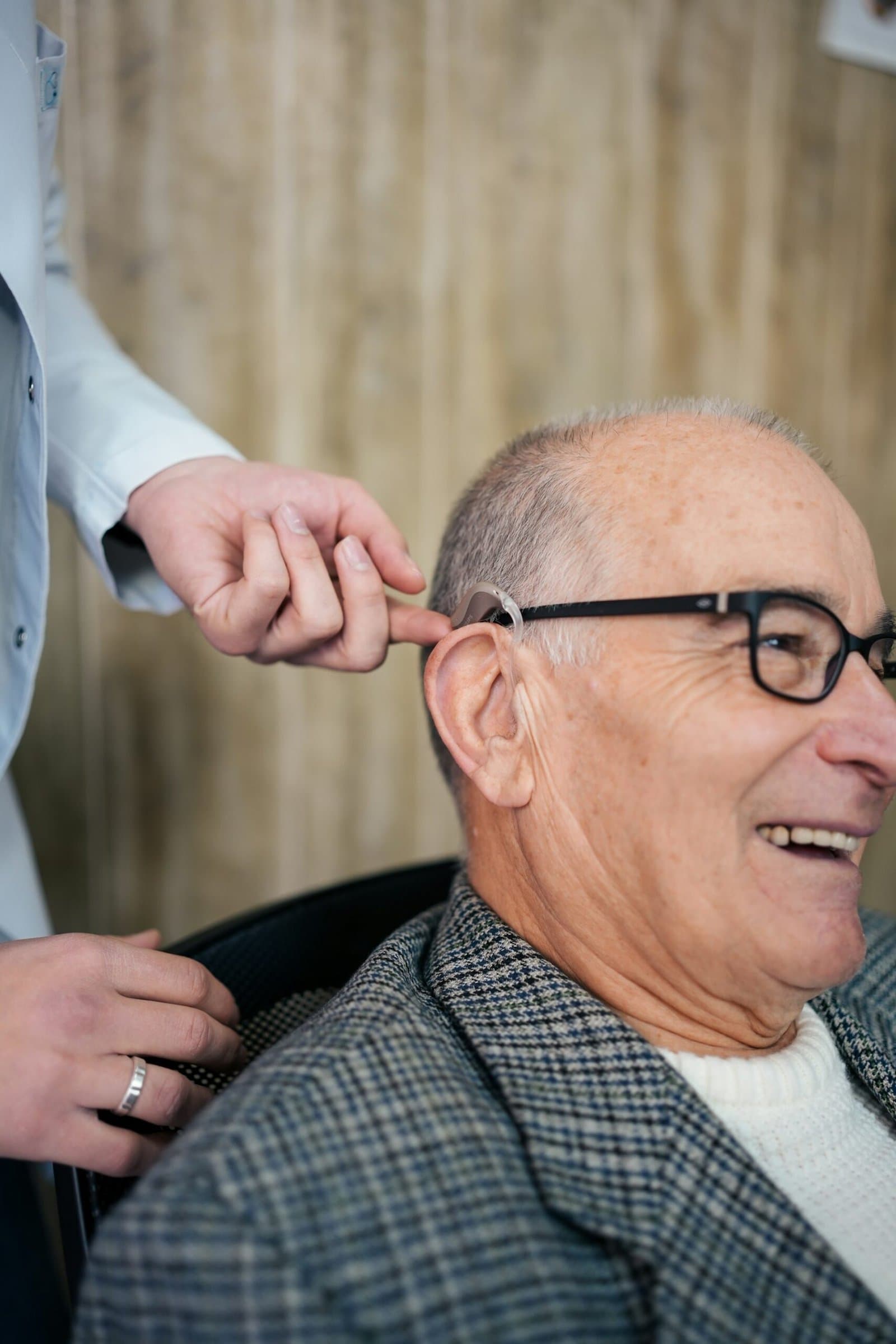
A major part of hearing aid comfort is how well they fit. Hearing aids should feel secure and natural, not tight, painful, or always moving around.
A proper fit helps prevent:
- soreness in the ear canal
- pressure points behind the ear
- slipping during daily movement
- irritation from poor placement
- feedback caused by an improper seal
Since everyone’s ears are different, hearing aids need to be chosen and fitted to match your ear shape. What works for one person might not feel right for another.
This is why getting a professional fitting matters. The aim is not only to help you hear better, but also to make sure your hearing aids are comfortable enough to wear for hours.
This Style of Hearing Aid Matters
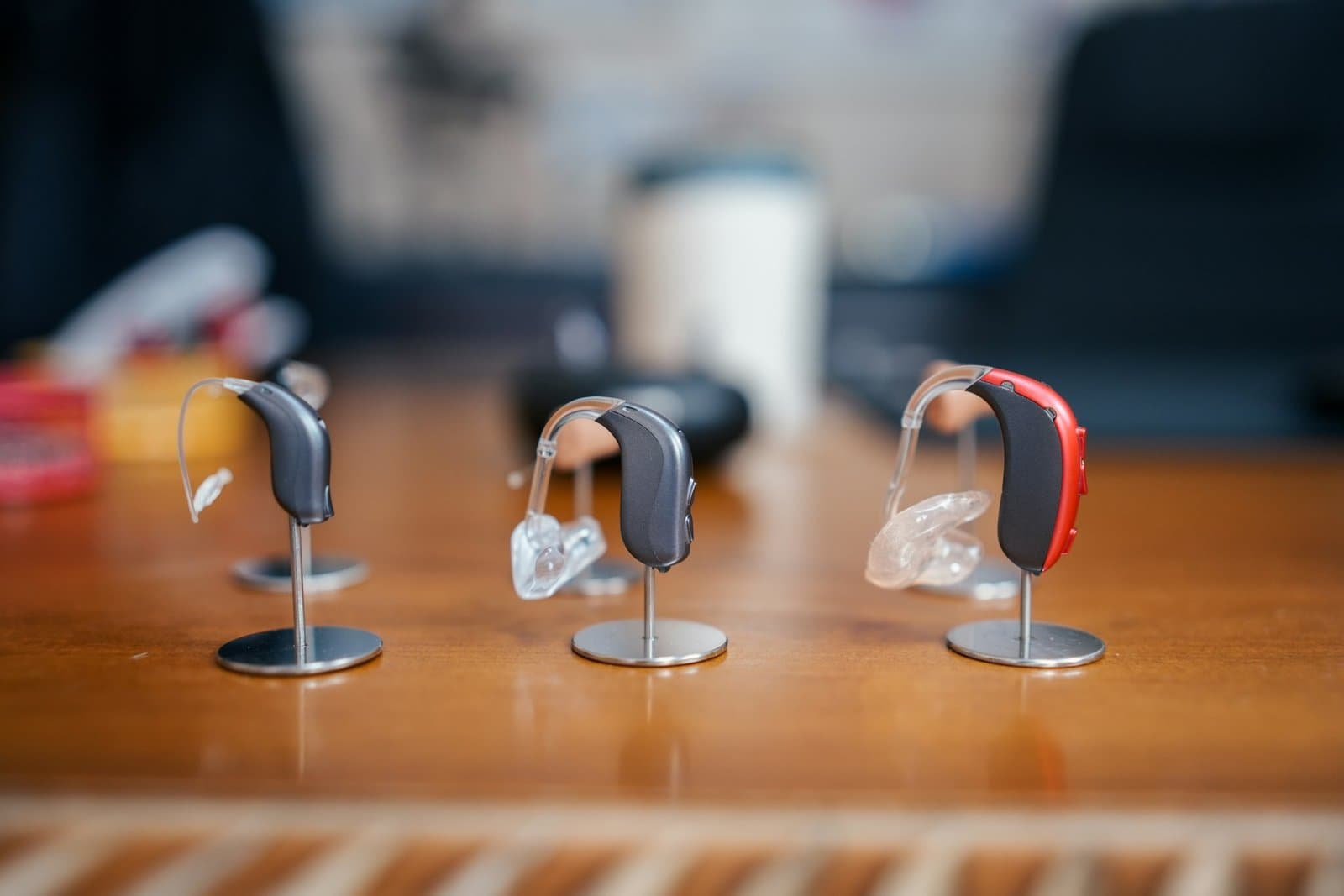
Different hearing aid styles can affect comfort in various ways. Some people like devices that sit behind the ear, while others find styles that fit inside the ear more comfortable.
Comfort relies on factors such as:
- the size of your ear canal
- whether you wear glasses
- dexterity and simplicity of use
- how much power your hearing aids need
- your cosmetic preferences
- how long you plan to wear them each day
For example, some people find smaller styles less noticeable, while others prefer behind-the-ear models because they have less material inside the ear canal. There is no one style that is most comfortable for everyone. The best option depends on your needs.
Soft, Well-Matched Domes and Earmolds Help
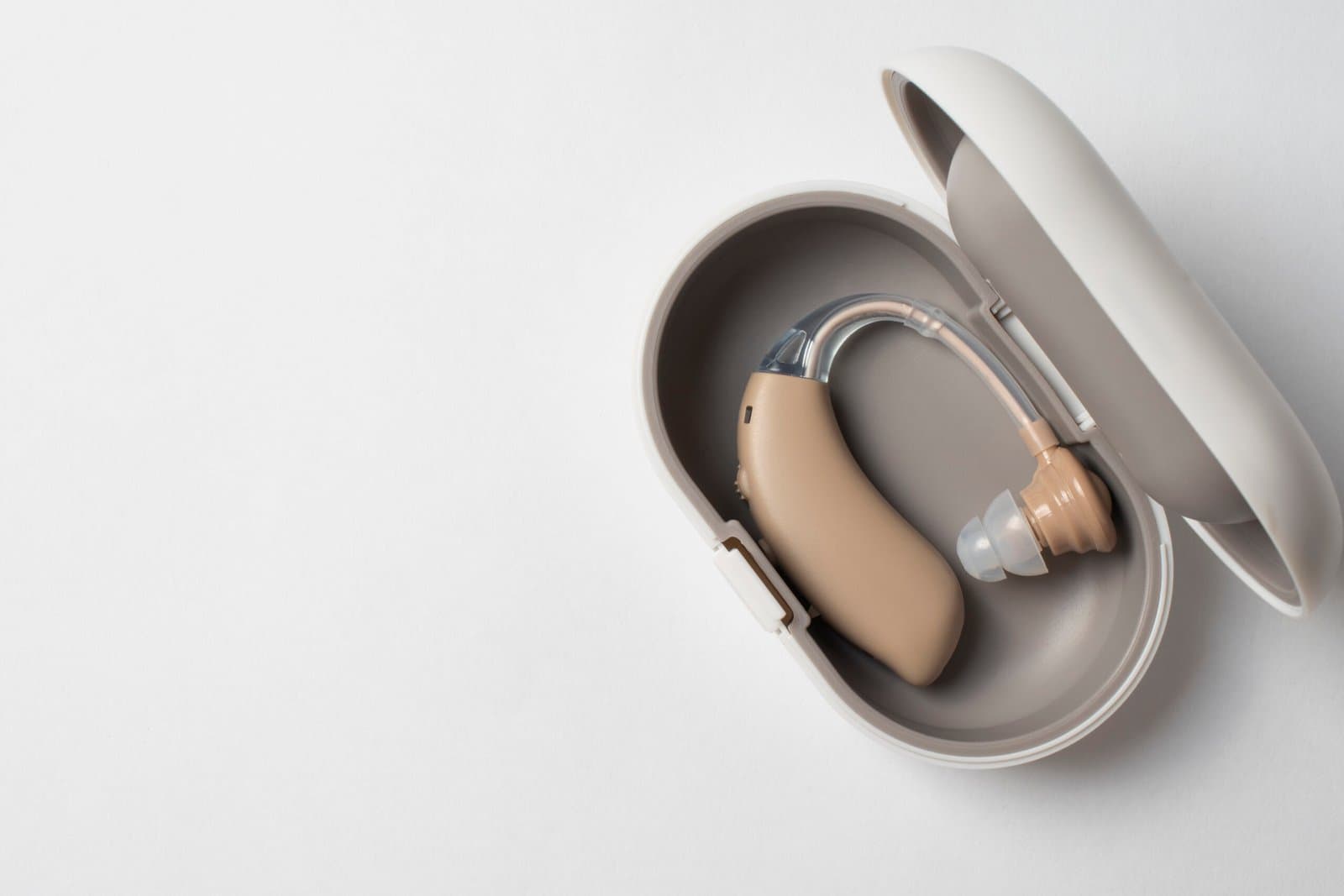
The parts of the hearing aid that sit in or around your ear are important for daily comfort. Domes, tips, and earmolds need to be the right size and made from the right material to fit securely without causing irritation.
If these parts are too large, they may cause:
- pressure
- soreness
- a blocked feeling
- difficulty wearing the hearing aids for long periods
If they are too small, they may lead to:
- slipping
- poor sound delivery
- whistling or feedback
- the need for constant repositioning
Getting domes and earmolds chosen by a professional can make a big difference in how comfortable your hearing aids feel. They help your gadgets stay stable and feel more natural.
Weight and Design Affect Daily Wear
Today’s hearing aids are lighter and more streamlined than older ones. This is important because bulky or unbalanced devices can get uncomfortable, especially if you wear them all day.
Comfortable hearing aids frequently benefit from:
- lightweight construction
- smooth edges
- low-profile design
- well-balanced placement behind or inside the ear
- a secure but gentle fit
These design changes can help you notice your hearing aids less during the day, making them feel more natural to wear.
Proper Programming Improves Comfort Too
Comfort is not only about how hearing aids feel. How they sound is just as important.
A hearing aid may fit your ear perfectly but still feel uncomfortable if the sound is too sharp, loud, tinny, or overwhelming. That’s why professional programming is so important.
Proper programming helps ensure that:
- speech is clear without sounding harsh
- everyday sounds feel natural
- loud sounds remain comfortable
- background noise is managed appropriately
- amplification matches your hearing needs
When hearing aids are properly set up, listening feels more comfortable and less tiring. This makes it easier to wear them every day.
Real-Ear Measurements Can Improve Sound Comfort
One of the most effective ways to improve both performance and comfort is through real-ear measurements. This process verifies how sound is actually delivered into your ear canal when wearing the hearing aids.
Since every ear canal shapes sound in its own way, estimated settings do not always work best. Real-ear measurements help adjust your hearing aids so the sound is accurate, balanced, and comfortable.
This can reduce common complaints such as:
- sharp or piercing sounds
- speech sounding unnatural
- excessive loudness
- listening fatigue
- poor clarity despite amplification
For many people, this step is key to making hearing aids comfortable for long-term use.
Moisture and Ear Health Also Matter
Even if your hearing aids fit well, they can become uncomfortable if you do not take care of your ear health. Moisture, irritation, and wax buildup can all affect how they feel.
Some common comfort issues are linked to:
- perspiration
- trapped moisture
- earwax accumulation
- skin sensitivity
- minor irritation from daily wear
Keeping your hearing aids clean and your ears healthy can help you stay comfortable. If you suddenly feel discomfort, it is a good idea to have both your hearing aids and your ears checked by a professional.
Adjustment Takes Time
It is normal for new hearing aids to feel a little unusual at first. Even when they fit well, your ears and brain may need time to get used to something new.
This does not always mean your hearing aids do not fit well. Often, comfort gets better as you get used to:
- the physical presence of the devices
- amplified environmental sounds
- inserting and removing them correctly
- wearing them for longer stretches of time
Many people new to hearing aids find it helpful to gradually increase the time they wear them and to follow professional advice during the adjustment period.
Follow-Up Care Helps Solve Small Comfort Issues
Follow-up care is one of the most important parts of staying comfortable in the long term. Small problems can often be fixed before they become bigger issues.
Follow-up appointments can help address:
- soreness or rubbing
- loose fit
- slipping during wear
- feedback or whistling
- sharp or uncomfortable sound
- trouble keeping the hearing aids in place
This is a key reason why hearing aids fitted by a professional often feel more comfortable over time than those bought without support. Fine-tuning makes a difference.
Lifestyle Fit Is Part of Comfort
Hearing aids should fit your lifestyle, not just your ears. A device that fits your daily routine is usually easier and more comfortable to wear.
For example, comfort may depend on whether you:
- wear glasses
- spend time outdoors or in heat
- talk on the phone often
- prefer rechargeable devices
- need easy controls
- are active throughout the day
When your hearing aids fit your daily habits, they usually feel easier and more natural to use.
What Comfortable Hearing Aids Should Feel Like
A well-fitted hearing aid should not hurt, feel too noticeable, or be hard to manage. Most of the time, comfortable hearing aids should feel:
- secure but not tight
- stable during normal activity
- easy to insert and remove
- balanced in sound
- natural enough to forget about at times
It is normal to notice your hearing aids at first, especially if you are new to them. But if you feel pain, ongoing irritation, or discomfort with sound, something may need to be adjusted.
Signs Your Hearing Aids May Need a Comfort Adjustment
If your hearing aids are not comfortable, you may notice:
- sore spots in or around the ear
- itching or irritation
- a plugged-up feeling
- hearing aids falling out or shifting
- discomfort after several hours of wear
- sound that feels too loud or unnatural
These problems do not always mean you need new hearing aids. Often, adjusting the fit, changing the programming, or updating the dome or earmold can fix the issue.
The Bottom Line
Comfortable hearing aids aren’t only about the device itself. Comfort depends on the right style, a good fit, proper programming, and follow-up support. When hearing aids are chosen and adjusted by a professional, they are much more likely to feel natural and easy to wear every day.
If your hearing aids are comfortable, you are more likely to wear them every day. Wearing them regularly helps you hear better, communicate with confidence, and get the most benefit from your devices.
Contact Us Today
If you want hearing aids that are comfortable and sound great, call Quality Hearing 4 Less today to book your appointment. Our team will help you find a solution that improves your hearing and makes daily wear easier.
Recent Posts
How Often Should Hearing Aids Be Professionally Cleaned?
JULY 28, 2026
Rechargeable vs. Battery Hearing Aids: Which Is Easier to Use?
JUNE 20, 2026
How Southern California Heat and Moisture Affect Hearing Aids
JUNE 11, 2026

What Is Industrial Hearing Screening and Why Does It Matter?
MAY 24, 2026
Hearing Aid Repair or Replacement?
APRIL 28, 2026