How Often Should Hearing Aids Be Professionally Cleaned?
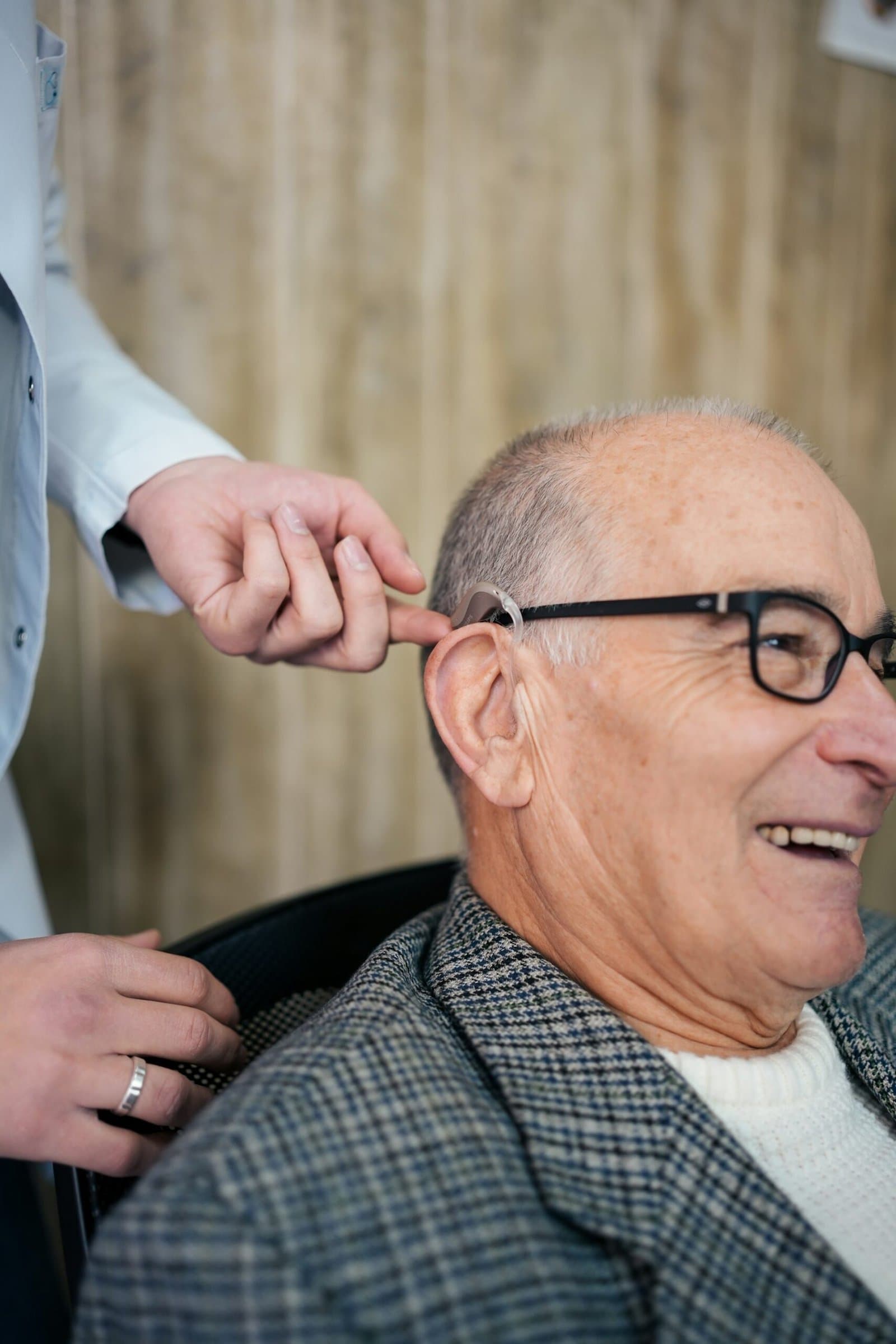
A practical starting point for professional hearing aid cleaning is every three to six months, although the right schedule depends on how quickly earwax, moisture, skin oils, and debris collect on your devices. People who perspire heavily, produce more earwax, wear their hearing aids all day, or notice frequent sound problems may need service closer to every three months. Others may be able to wait longer if their devices stay clean and work consistently.
Professional hearing aid cleaning doesn’t replace daily care at home. It addresses buildup and performance issues that are difficult to handle safely with a cloth, brush, or wax-guard tool. Quality Hearing 4 Less provides hearing aid maintenance and repair in Orange, California, and can inspect devices that sound weak, cut out, or are becoming harder to keep clean.
How Often Should You Schedule Professional Hearing Aid Cleaning?
A three-to-six-month schedule is a useful starting point for many hearing aid users. It gives a hearing professional a chance to look for buildup before it causes a larger problem and check whether the devices are still working as expected.
That schedule isn’t a strict rule. Your ideal timing may be different based on:
- How much earwax you naturally produce
- Whether you exercise or work outdoors
- How many hours per day you wear your hearing aids
- The style of device and where it sits in the ear
- How often wax guards, domes, or filters become clogged
- Whether you live or spend time in a humid environment
Someone who wears receiver-in-canal hearing aids for most of the day and regularly deals with wax buildup may need professional cleaning more often than someone who wears behind-the-ear devices for only a few hours at home.
Your hearing care professional may also recommend cleaning during routine follow-up appointments. Quality Hearing 4 Less includes continued support and regular care as part of its approach to hearing aid use, so cleaning can be addressed alongside comfort, fit, and performance concerns.
Why Daily Cleaning Isn’t Enough by Itself
Daily cleaning is the first line of defense. A soft, dry cloth can remove oils and surface moisture, while the correct brush or cleaning tool can clear visible debris from approved areas. Wax guards and disposable domes may also need replacement based on the manufacturer’s instructions.
There are limits to what should be done at home. Hearing aids contain small microphones, receivers, charging contacts, tubing, and internal electronics. Pushing a tool too far into an opening or using liquid cleaners can turn a minor blockage into an expensive repair.
The National Institute on Deafness and Other Communication Disorders advises users to keep hearing aids away from heat and moisture and clean them according to the instructions provided for the device. Those instructions matter because cleaning methods differ between hearing aid styles and manufacturers.
Professional cleaning gives you a safer option when ordinary maintenance no longer removes the buildup or restores normal sound.
What Makes Some Hearing Aids Need Cleaning Sooner?
Earwax is one of the most common reasons a hearing aid begins sounding weak or muffled. It can block the receiver opening, clog the wax guard, collect around a dome, or interfere with an earmold. Some people produce very little wax. Others need to change filters often.
Moisture can create a similar problem. Sweat, humidity, condensation, and damp ear canals may affect microphone openings, battery areas, or charging contacts. This is especially relevant in Southern California, where a person may move between coastal air, outdoor heat, and air-conditioned buildings in the same day.
Cosmetics and hair products also leave residue. Sunscreen, lotion, makeup, hairspray, and skin oils can collect on devices that sit behind or inside the ear. A quick wipe at night removes some of it, but buildup can gradually settle into small openings.
You may need more frequent professional hearing aid cleaning if you:
- Replace wax guards unusually often
- Sweat heavily during work or exercise
- Have oily skin or use products around the ears
- Wear your hearing aids from morning to night
- Store the devices without a drying system
- Work around dust, dirt, or fine particles
A shorter cleaning interval is usually easier than waiting until the hearing aid stops working.
Signs You Shouldn’t Wait for Your Next Scheduled Cleaning
You don’t need to follow the calendar if the devices are already showing signs of trouble. Schedule a cleaning or inspection sooner when one hearing aid sounds noticeably different from the other, the volume seems lower, or speech becomes harder to understand despite normal settings.
Other signs include:
- Muffled, weak, or distorted sound
- Static, crackling, or intermittent performance
- Frequent feedback or whistling
- Wax guards clogging soon after replacement
- Charging contacts that need repeated repositioning
- Visible discoloration, moisture, or debris
- A dome, earmold, or receiver that won’t stay clean
First, follow the basic troubleshooting steps approved for your model. Check the battery or charge, inspect the wax guard, wipe the outside with a dry cloth, and make sure the hearing aid is seated correctly.
If the problem remains, stop trying to clean deeper parts yourself. Quality Hearing 4 Less offers hearing aid repair services for issues involving weak sound, distortion, connectivity, physical damage, and other malfunctions. An inspection can determine whether the device needs cleaning, a replaceable component, an in-office repair, or manufacturer service.
What to Do Between Professional Cleanings
A consistent home routine keeps professional visits from becoming emergency visits. Start by handling hearing aids with clean, dry hands. Wipe the devices regularly with a soft cloth and use only tools approved for your specific model.
Check the areas where buildup appears most often, including the dome, earmold, receiver opening, microphone ports, wax guard, and charging contacts. Don’t use water, household cleaners, alcohol, pins, or sharp objects unless the manufacturer specifically instructs you to do so.
Store hearing aids somewhere dry and protected. Disposable-battery models may need the battery door opened overnight according to their instructions. Rechargeable models should be placed in the approved charger. People who perspire heavily or deal with regular humidity may benefit from a compatible drying system.
Replacement parts also matter. A dirty dome or clogged wax guard can affect sound even when the hearing aid itself is working properly. Quality Hearing 4 Less carries hearing aid cleaning supplies and replacement filters for several major brands.

Can Professional Cleaning Improve Hearing Aid Performance?
Sometimes the difference is immediate. Removing compacted wax or debris may restore clearer sound, reduce feedback, improve charging contact, or stop a device from cutting in and out.
Cleaning won’t correct every issue. A weak receiver, damaged microphone, aging battery, cracked tubing, or internal moisture damage may require repair. Hearing changes can also make a properly functioning device seem less effective than it used to.
This is why an inspection matters. It separates a maintenance problem from a device problem or a change in hearing. If the hearing aids are clean but speech still sounds unclear, a follow-up appointment may be needed to review the programming and fit. The company’s hearing aid fitting service includes guidance on care, adjustments, and ongoing support.
Build Cleaning Into Your Regular Hearing Aid Care
Professional cleaning is easiest to remember when it is tied to a routine you already follow. You might schedule it with a periodic hearing aid check, before a long trip, or at the start of a season when heat and perspiration usually increase.
Keep track of how long it takes before your wax guards clog or the sound begins to fade. That pattern is more useful than following a generic calendar. If problems tend to appear after four months, schedule the next cleaning before that point.
For many users, professional hearing aid cleaning every three to six months is a sensible starting schedule. Move the appointment sooner if wax, moisture, or sound problems develop quickly. Daily care should keep the outside of the devices clean, while professional service addresses the buildup and performance concerns that shouldn’t be handled at home.
Quality Hearing 4 Less provides ongoing hearing aid care, maintenance, and repair in Orange, CA. If your devices sound muffled, keep cutting out, or haven’t been professionally checked in several months, schedule an appointment before a small blockage becomes a larger repair.
Recent Posts
Rechargeable vs. Battery Hearing Aids: Which Is Easier to Use?
JUNE 20, 2026
How Southern California Heat and Moisture Affect Hearing Aids
JUNE 11, 2026

What Is Industrial Hearing Screening and Why Does It Matter?
MAY 24, 2026

What Makes Hearing Aids More Comfortable for Daily Wear?
MAY 20, 2026
Hearing Aid Repair or Replacement?
APRIL 28, 2026