The Importance of Real-Ear Measurements in Hearing Aid Fittings
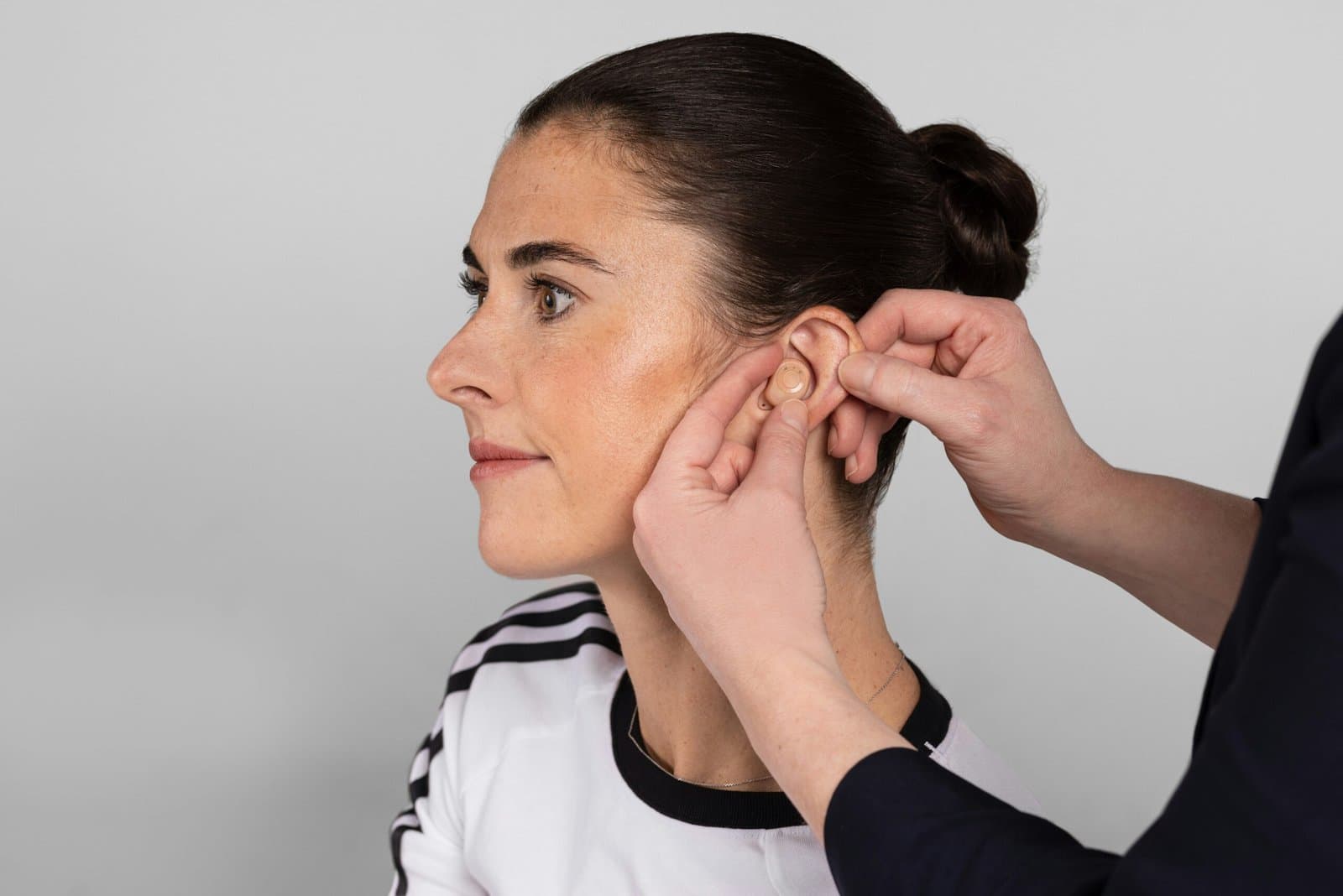
When it comes to hearing aids, the device itself is only part of the equation. Even the most advanced hearing aid technology cannot perform at its best without accurate, individualized fitting. One of the most critical, and often overlooked, steps in achieving optimal hearing outcomes is Real-Ear Measurement (REM).
Real-ear measurements are considered the gold standard in hearing aid fittings, yet many people have never heard of them or don’t realize their importance. If you want clearer speech, comfortable volume, and true personalization, understanding real-ear measurements is essential.
What Are Real-Ear Measurements?
Real-ear measurements are a clinical process used to verify how a hearing aid delivers sound inside your ear canal. Because every ear canal is different in size, shape, and acoustics, sound behaves differently from person to person.
During a real-ear measurement:
-
A tiny microphone is placed inside your ear canal
-
Your hearing aid is worn normally
-
Test sounds are played through speakers
-
The microphone measures how sound actually reaches your eardrum
These measurements allow the hearing professional to confirm that your hearing aid is delivering precisely the right amount of amplification for your specific hearing loss.
Why Ear Anatomy Matters
No two ear canals are the same. Differences in length, width, curvature, and earwax presence all affect how sound travels. Because of this, two people wearing the same hearing aid model with the same programming can experience completely different results.
Without real-ear measurements, hearing aids are often programmed based on averages, not on what your ears truly need. This can lead to:
-
Sound that is too soft or too loud
-
Poor speech clarity
-
Uncomfortable sharp sounds
-
Excessive background noise
-
Listening fatigue
Real-ear measurements remove the guesswork and replace it with data.
Why Real-Ear Measurement Is the Gold Standard
A real ear measurement hearing aid fitting ensures that the device meets your prescriptive targets, the scientifically recommended sound levels based on your hearing test.
REM verifies that:
-
Soft sounds are audible
-
Speech sounds are clear and balanced
-
Loud sounds remain comfortable
-
Amplification is safe for your hearing
-
Each frequency is properly supported
This verification step dramatically improves hearing aid performance, comfort, and satisfaction.
What Happens Without Real-Ear Measurements
Many clinics skip real-ear measurements due to time constraints or lack of equipment. Instead, they rely on manufacturer “first-fit” settings. While convenient, these default settings are not personalized.
Without REM, hearing aid users often experience:
-
“Everything sounds off”
-
Voices that are muffled or unnatural
-
Difficulty understanding speech in noise
-
Excessive feedback or whistling
-
Feeling overwhelmed by sound
-
Inconsistent hearing performance
In many cases, people assume the hearing aids “don’t work”, when the real issue is improper fitting.
Real-Ear Measurements vs. Manufacturer Settings
Manufacturer presets are based on average ear acoustics, not real-world individual anatomy. Studies consistently show that default fittings often miss target amplification levels, especially for:
-
High-frequency sounds
-
Speech clarity
-
Severe hearing loss
-
Small or narrow ear canals
Real-ear measurement ensures the hearing aid actually performs the way it was designed to, for you.
How Real-Ear Measurements Improve Speech Clarity
Speech understanding is one of the most common struggles for people with hearing loss. REM ensures that critical speech frequencies are delivered accurately, allowing:
-
Better word recognition
-
Improved understanding in conversations
-
Less need for repetition
-
Reduced listening effort
This is especially important for individuals who struggle in noisy environments or group settings.
The Role of REM in Comfort and Safety
Improper amplification isn’t just frustrating, it can be uncomfortable or unsafe.
Real-ear measurements help:
-
Prevent over-amplification
-
Avoid harsh or piercing sounds
-
Reduce auditory fatigue
-
Protect remaining hearing ability
For individuals with severe hearing loss or sound sensitivity, REM is essential for long-term comfort.
Why REM Is Crucial for Severe and Complex Hearing Loss
People with moderate to severe hearing loss benefit greatly from real-ear measurements because:
-
They require more precise amplification
-
Power levels must be carefully controlled
-
Feedback risks are higher
-
Speech clarity demands are greater
In these cases, REM ensures the hearing aid provides enough power without distortion or discomfort.
Real-Ear Measurements and Modern Hearing Aid Technology
Today’s hearing aids include advanced features such as:
-
Directional microphones
-
Noise reduction algorithms
-
Bluetooth streaming
-
AI-driven sound processing
These features perform best when the base amplification is accurate. Real-ear measurements create the foundation that allows advanced technology to function properly.
Who Benefits Most from Real-Ear Measurements?
While everyone benefits from REM, it is especially important for:
-
First-time hearing aid users
-
Individuals with severe hearing loss
-
Users dissatisfied with previous hearing aids
-
People sensitive to loud sounds
-
Those who struggle with speech clarity
-
Anyone investing in advanced hearing technology
If you want predictable, repeatable results, REM should be part of your fitting.
Real-Ear Measurement and Long-Term Success
Hearing loss can change over time. REM allows providers to:
-
Re-verify settings during follow-ups
-
Adjust for changes in hearing
-
Ensure consistent performance
-
Fine-tune sound quality over the life of the device
This ongoing verification helps ensure your hearing aids continue working effectively for years.
Why Not All Clinics Use Real-Ear Measurements
Despite its proven benefits, some clinics skip REM because:
-
It takes additional time
-
It requires specialized equipment
-
It demands technical expertise
However, skipping this step often leads to poorer outcomes and more frequent adjustments later. Clinics that prioritize real-ear measurements demonstrate a commitment to accuracy and patient success.
The Bottom Line
A hearing aid is only as good as its fitting. Real-ear measurements ensure your hearing aids deliver sound safely, comfortably, and accurately based on your unique ears and hearing needs.
If you want the best possible hearing outcomes, a real ear measurement hearing aid fitting is not optional, but essential.
Contact Us Today
If you want hearing aids that are truly personalized, call Quality Hearing 4 Less today to schedule your professional hearing aid fitting with real-ear measurements. Experience clearer sound, better comfort, and confidence in your hearing care.
Recent Posts
Do Hearing Aids Work for Everyone? Understanding Candidacy
MARCH 27, 2026
Looking for an Audiologist Near Me? Here’s What to Know Before Booking
MARCH 25, 2026
How Local Hearing Aid Clinics Provide Better Support
FEBRUARY 27, 2026
How Long Does a Hearing Test Take?
FEBRUARY 24, 2026
Do Hearing Aids Work for Everyone? Understanding Candidacy
JANUARY 20, 2026