Do Hearing Aids Work for Everyone? Understanding Candidacy
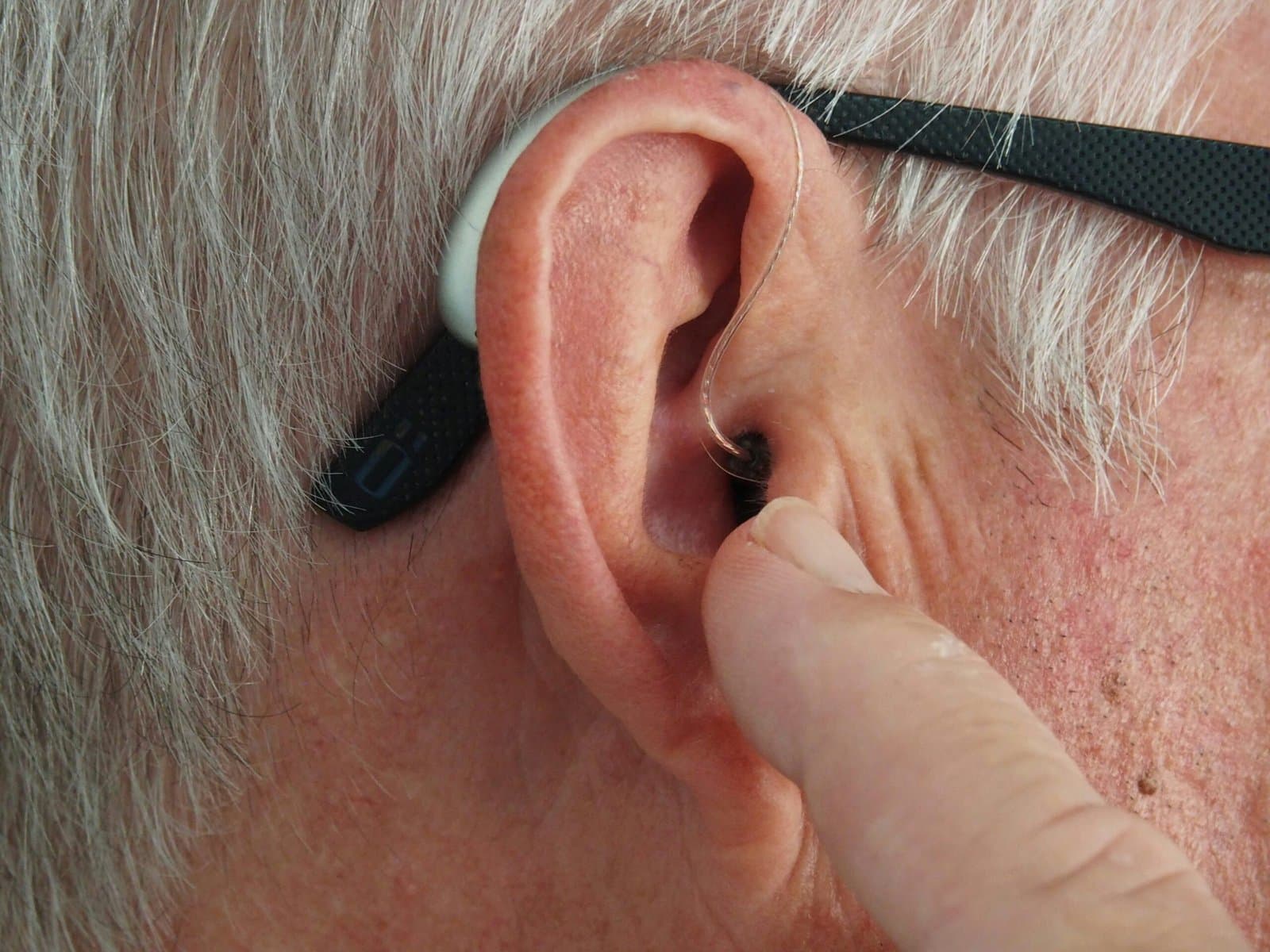
Hearing aids are one of the most effective tools available for improving communication, confidence, and quality of life, but they aren’t a one-size-fits-all solution. Many people considering hearing aids ask an important question: Do hearing aids work for everyone?
The short answer is no, not everyone is an ideal candidate. The good news is that most people with hearing loss are excellent candidates when the right evaluation, technology, and expectations are in place. Understanding hearing aid candidacy helps ensure realistic outcomes, better performance, and long-term satisfaction.
What Does “Hearing Aid Candidacy” Mean?
Hearing aid candidacy refers to whether a person is likely to benefit from hearing aids based on several factors, including:
-
Type of hearing loss
-
Degree of hearing loss
-
Speech understanding ability
-
Ear health
-
Lifestyle needs
-
Cognitive processing
-
Willingness to adapt and wear devices consistently
A professional evaluation determines whether hearing aids are appropriate or if another solution may be more effective.
Who Is Typically a Good Candidate for Hearing Aids?
Most individuals with sensorineural hearing loss, the most common type, are good candidates. This type of loss occurs when the inner ear or auditory nerve is damaged, often due to aging, noise exposure, or genetics.
Good candidates often include people who:
-
Have mild, moderate, or severe hearing loss
-
Struggle to understand speech, especially in noise
-
Feel conversations are muffled or unclear
-
Have difficulty hearing TV, phone calls, or group discussions
-
Experience listening fatigue or social withdrawal
-
Want to stay active and engaged
For these individuals, properly fitted hearing aids can significantly improve daily communication.
Types of Hearing Loss and Candidacy
Not all hearing loss is the same, and candidacy depends heavily on the underlying cause.
Sensorineural Hearing Loss
✔ Excellent hearing aid candidacy
This is the most common type and responds very well to hearing aid amplification and advanced sound processing.
Conductive Hearing Loss
✔ Often good candidacy, depending on cause
Conductive loss is caused by blockages or issues in the outer or middle ear (such as earwax, fluid, or infection). In some cases, medical treatment may resolve the issue. If not, hearing aids can be very effective.
Mixed Hearing Loss
✔ Usually good candidacy
Mixed hearing loss includes both sensorineural and conductive components. Hearing aids are often helpful but require careful programming.
Profound Hearing Loss
⚠ Candidacy varies
People with profound loss may benefit from powerful hearing aids, but in some cases, cochlear implants or other assistive technologies may be more appropriate. A professional evaluation is critical.
Speech Understanding Matters as Much as Volume
One of the most important factors in hearing aid candidacy is speech discrimination, how well your brain understands words, not just how loud sounds are.
Some individuals hear sounds but struggle to understand speech clearly, even with amplification. Hearing aids can still help, but expectations must be realistic, and advanced technology is often required.
Speech testing during a hearing evaluation helps determine:
-
Expected benefit from hearing aids
-
Appropriate technology level
-
Whether additional assistive devices are recommended
When Hearing Aids May Not Be the Best Solution
Although hearing aids help millions of people, they may not be ideal for everyone.
Hearing aids may be less effective if:
-
There is severe damage to the auditory nerve
-
Speech understanding scores are extremely poor
-
Hearing loss is untreated for decades
-
Cognitive decline significantly impacts sound processing
-
Expectations are unrealistic (e.g., expecting “perfect” hearing)
In these cases, hearing professionals may recommend alternative options such as assistive listening devices, communication strategies, or referrals for medical evaluation.
Lifestyle Plays a Key Role in Hearing Aid Candidacy
Your daily environment matters just as much as your audiogram.
Better candidates often:
-
Participate in conversations regularly
-
Spend time in social settings
-
Want to hear more clearly at work, church, or family events
-
Are motivated to improve communication
Challenges arise when:
-
Devices are worn inconsistently
-
Users avoid follow-up appointments
-
There’s reluctance to adapt during the adjustment period
Successful hearing aid use requires participation, patience, and commitment.
The Importance of Professional Evaluation
Hearing aid candidacy cannot be determined by an online quiz or over-the-counter purchase. A professional evaluation assesses:
-
Hearing thresholds
-
Speech understanding
-
Ear health
-
Listening needs
-
Technology compatibility
This evaluation ensures hearing aids are recommended only when they are truly appropriate and that expectations are clearly explained.
Age Does Not Disqualify Hearing Aid Candidacy
One common myth is that hearing aids are less effective for older adults. In reality, age alone does not determine candidacy.
Many seniors experience life-changing improvements with hearing aids, including:
-
Better communication with loved ones
-
Increased independence
-
Reduced social isolation
-
Improved safety awareness
What matters most is overall hearing health, not age.
Adjustment Period and Candidacy
Even good candidates need time to adjust. Hearing aids do not restore “normal” hearing overnight. The brain must relearn sounds it hasn’t processed clearly for years.
Strong candidates understand that:
-
Adjustment takes weeks, not days
-
Follow-up visits are essential
-
Gradual improvement is normal
-
Consistent use leads to better results
This mindset greatly improves long-term success.
Common Misconceptions About Hearing Aid Candidacy
“My hearing isn’t bad enough yet.”
Early use often leads to better outcomes.
“Hearing aids won’t help me.”
Many people who believe this are excellent candidates with proper fitting.
“They’ll make everything too loud.”
Modern hearing aids focus on clarity, not just volume.
“I tried hearing aids once and hated them.”
Technology, programming, and fitting quality matter enormously.
So… Do Hearing Aids Work for Everyone?
Hearing aids do not work for everyone, but they work for most people when candidacy is properly evaluated and devices are professionally fitted.
Understanding hearing aid candidacy ensures:
-
Realistic expectations
-
Appropriate technology selection
-
Better hearing outcomes
-
Greater long-term satisfaction
The key is professional guidance, not guesswork.
Contact Us Today
If you’re unsure whether hearing aids are right for you, call Quality Hearing 4 Less to schedule a free consultation. A professional evaluation can determine your hearing aid candidacy and help you explore the best options for your hearing needs.
Recent Posts

What Is Industrial Hearing Screening and Why Does It Matter?
MAY 24, 2026

What Makes Hearing Aids More Comfortable for Daily Wear?
MAY 20, 2026
Hearing Aid Repair or Replacement?
APRIL 28, 2026

Why Professional Hearing Aid Fitting Matters More Than the Device Alone
APRIL 20, 2026
Do Hearing Aids Work for Everyone? Understanding Candidacy
MARCH 27, 2026
Looking for an Audiologist Near Me? Here’s What to Know Before Booking
MARCH 25, 2026