How Long Does a Hearing Test Take?
If you’ve been thinking about getting your hearing checked, one of the most common questions people ask is: “How long does a hearing test take?” Many people delay scheduling a test because they assume it will be time-consuming or complicated. In reality, the process is straightforward, comfortable, and usually quicker than most people expect.
Understanding the typical hearing test duration can help ease concerns and make it easier to take the first step toward better hearing.
The Average Hearing Test Duration
For most patients, a complete hearing test takes 30 to 60 minutes. This time allows a hearing professional to properly evaluate your hearing, discuss your concerns, and explain the results.
The appointment generally includes several steps designed to assess different aspects of your hearing ability. Each portion of the exam helps create a complete picture of how well you hear and understand sounds.
Step 1: Discussing Your Hearing History
The appointment usually begins with a brief conversation about your hearing health and lifestyle. This portion typically takes 5 to 10 minutes.
Your provider may ask questions such as:
-
When did you first notice hearing changes?
-
Do you struggle more in noisy environments?
-
Do you have ringing in your ears (tinnitus)?
-
Have you been exposed to loud noise at work or during hobbies?
-
Do you have a family history of hearing loss?
These questions help determine which tests are most appropriate and what may be causing your hearing concerns.
Step 2: Ear Examination
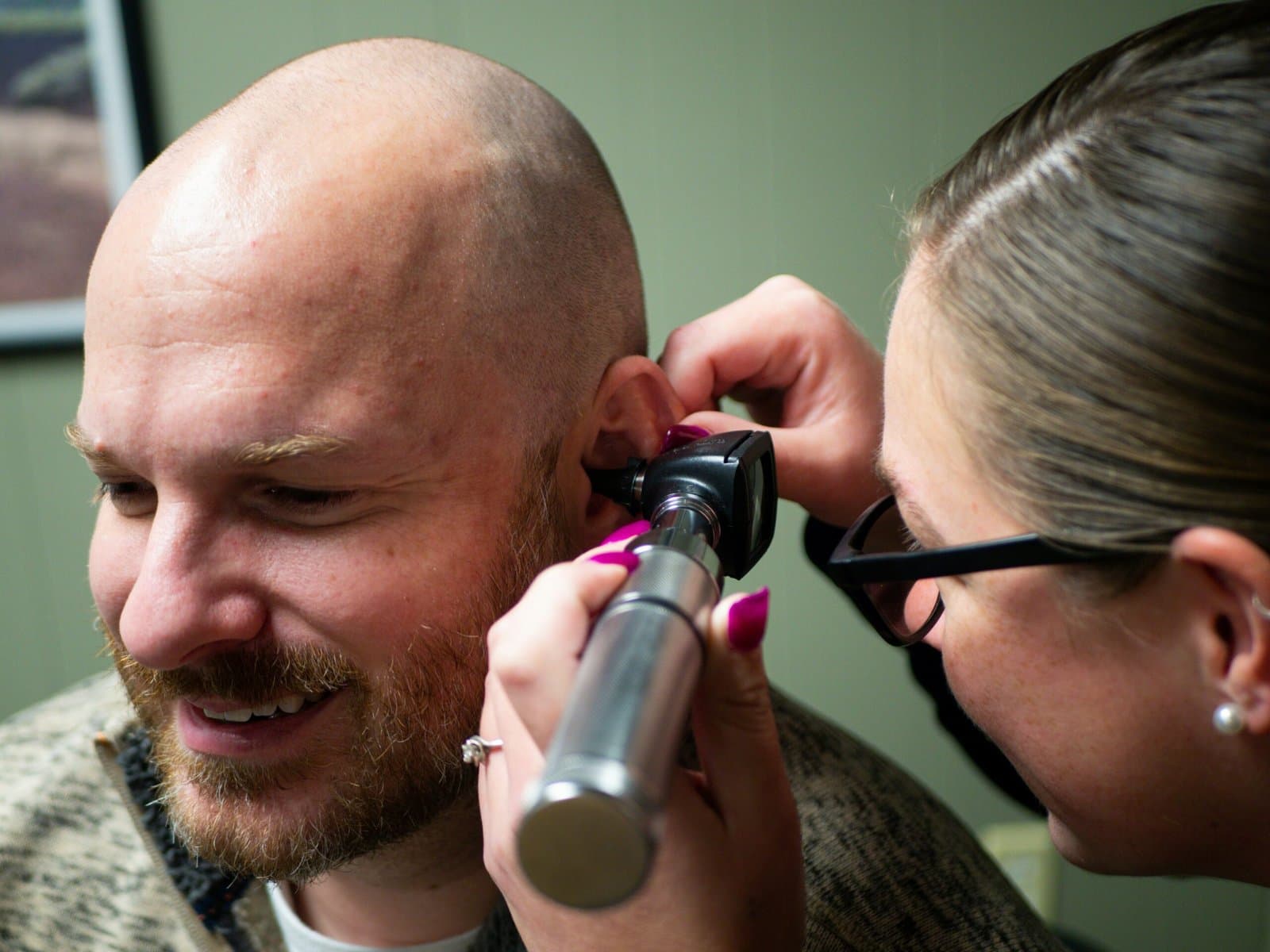
Before testing begins, the provider will examine your ears using a small lighted instrument called an otoscope. This step usually takes just a few minutes.
The purpose is to check for:
-
Earwax buildup
-
Signs of infection
-
Blockages in the ear canal
-
Structural issues in the ear
Sometimes hearing loss can be caused by something simple, like earwax buildup, which may be addressed before testing continues.
Step 3: Pure-Tone Hearing Test
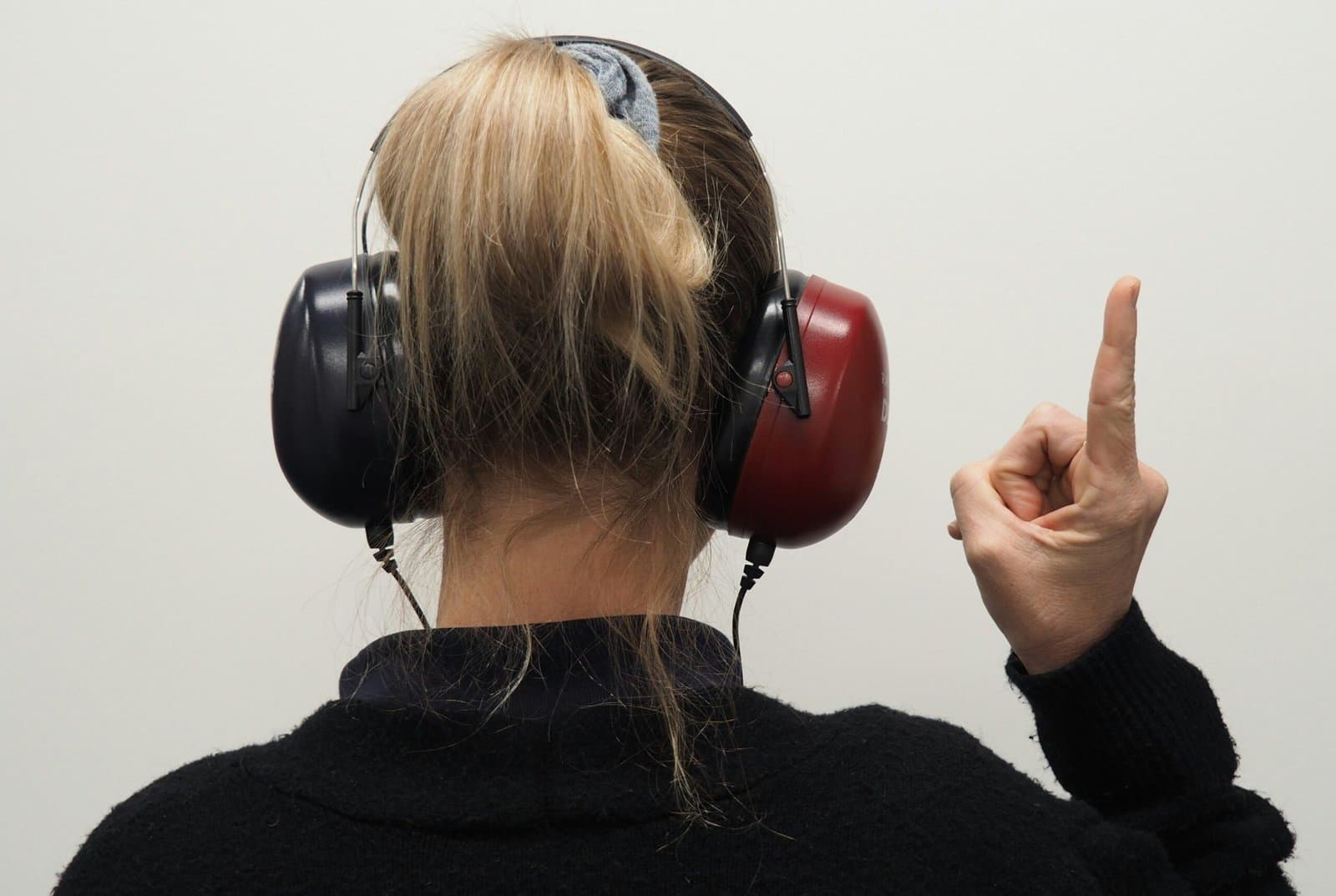
The pure-tone test is the most familiar part of a hearing exam and typically lasts 10 to 15 minutes.
During this test:
-
You will wear headphones or ear inserts.
-
A series of tones at different pitches and volumes will be played.
-
You will indicate when you hear each sound.
This test measures your hearing threshold, which determines the quietest sounds you can hear across various frequencies. The results are recorded on an audiogram, a visual chart of your hearing ability.
Step 4: Speech Testing
Speech testing evaluates how well you understand spoken words. This portion generally takes 5 to 10 minutes.
You may be asked to:
-
Repeat words spoken at different volume levels
-
Identify speech presented with background noise
-
Listen to recorded word lists
Speech testing is important because hearing loss often affects clarity, not just volume.
Step 5: Reviewing the Results
Once testing is complete, the hearing professional will review your results and explain what they mean. This part of the appointment typically takes 10 to 15 minutes.
You will learn:
-
Whether you have hearing loss
-
The type and severity of hearing loss
-
Which frequencies are affected
-
Possible causes of the issue
-
Recommended next steps
If hearing aids or other solutions are recommended, the provider may explain available options and answer your questions.
Why a Complete Hearing Test Matters
Although the entire process usually takes less than an hour, it provides valuable information about your hearing health. Hearing tests can help detect issues such as:
-
Age-related hearing loss
-
Noise-induced hearing loss
-
Ear infections
-
Wax blockage
-
Middle ear problems
-
Early signs of auditory changes
Early detection allows for earlier treatment, which can significantly improve long-term hearing outcomes.
How Often Should You Get a Hearing Test?
For most adults, hearing professionals recommend a hearing test:
-
Every 3 to 5 years for adults under 50
-
Every 1 to 2 years for adults over 50
-
Immediately, if you notice sudden hearing changes
Regular testing helps monitor changes and ensures you receive the right support if hearing loss develops.
Signs You May Need a Hearing Test
If you’re unsure whether it’s time to schedule an exam, watch for these common signs:
-
Frequently asking people to repeat themselves
-
Difficulty understanding speech in noisy environments
-
Turning up the television volume
-
Trouble hearing on phone calls
-
Ringing or buzzing in the ears
-
Feeling exhausted after conversations
If any of these sound familiar, a hearing test can provide clarity.
A Quick Appointment That Can Change Your Life
Many people are surprised by how simple and quick a hearing test really is. In less than an hour, you can gain valuable insight into your hearing health and learn about solutions that can improve communication and quality of life.
The short hearing test duration makes it one of the easiest steps you can take to protect your hearing and stay connected with the people and activities you love.
Contact Us Today
If you’ve been wondering about your hearing, schedule a professional hearing test today. A quick evaluation can help you understand your hearing health and explore solutions that fit your lifestyle.
Recent Posts

What Is Industrial Hearing Screening and Why Does It Matter?
MAY 24, 2026

What Makes Hearing Aids More Comfortable for Daily Wear?
MAY 20, 2026
Hearing Aid Repair or Replacement?
APRIL 28, 2026

Why Professional Hearing Aid Fitting Matters More Than the Device Alone
APRIL 20, 2026
Do Hearing Aids Work for Everyone? Understanding Candidacy
MARCH 27, 2026
Looking for an Audiologist Near Me? Here’s What to Know Before Booking
MARCH 25, 2026