Hearing Aids for Severe Hearing Loss: What to Look For
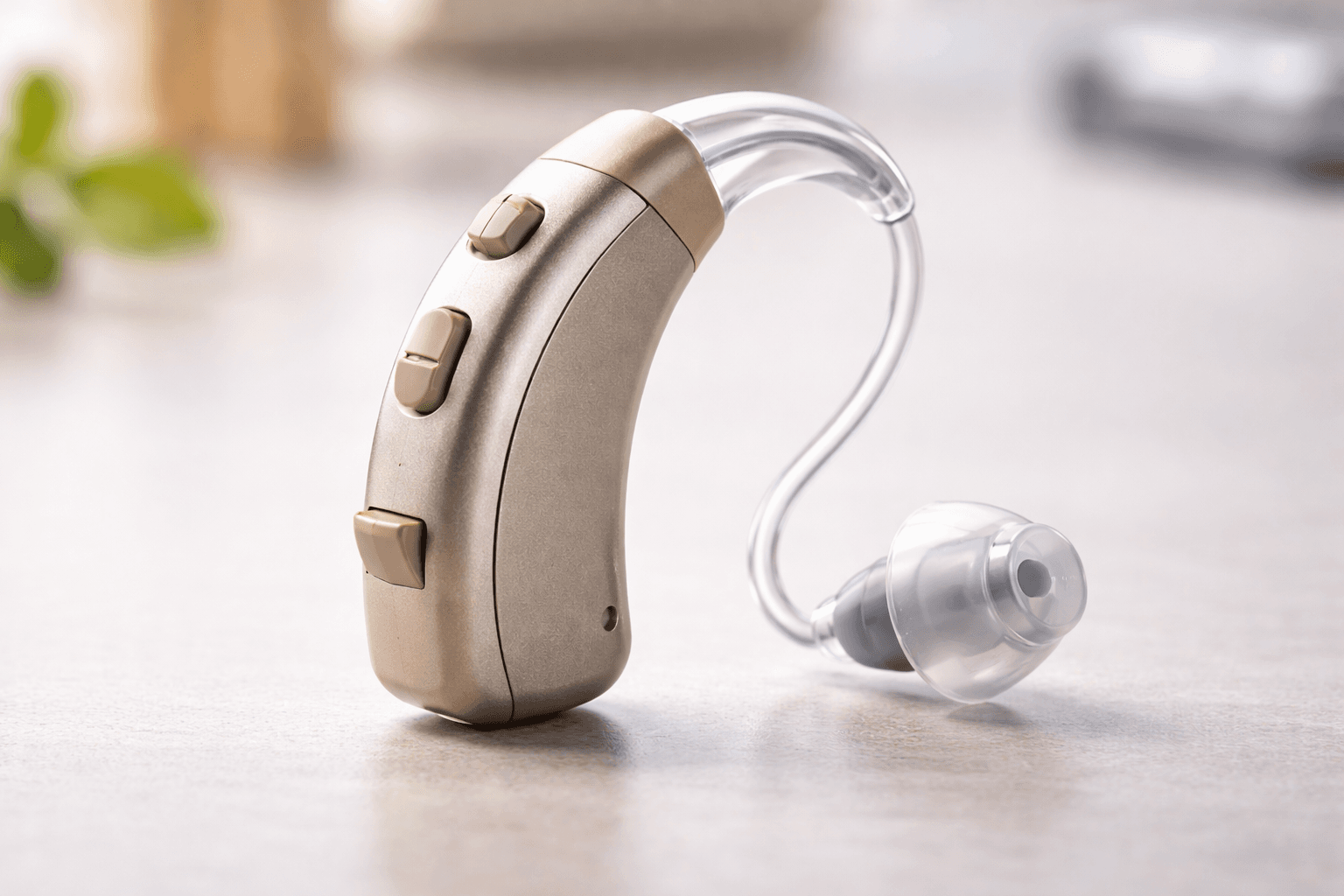
Living with severe hearing loss can make everyday communication feel frustrating, exhausting, and isolating. But today’s hearing aid technology is more advanced than ever, powerful enough to bring back clarity, confidence, and connection for people with even significant hearing challenges. Still, not all hearing aids are built the same, and choosing the right solution is essential for achieving the best hearing outcomes.
If you or a loved one has severe hearing loss, this guide explains exactly what features, technology, and performance indicators to look for when selecting a hearing aid that truly meets your needs.
Understanding Severe Hearing Loss
Severe hearing loss typically means:
-
Difficulty understanding speech without amplification
-
Inability to hear most conversational sounds
-
Reliance on lip reading or subtitles
-
Trouble hearing even in quiet environments
-
Struggles with phone calls, group conversations, or background noise
Because of this, hearing aids for severe hearing loss must deliver stronger amplification, advanced processing, and precise customization that standard devices may not offer.
Why Choosing the Right Hearing Aid Matters
For individuals with severe hearing loss, the wrong device can lead to:
-
Distorted sound
-
Inadequate amplification
-
Feedback or whistling
-
Poor speech clarity
-
Increased listening fatigue
-
Difficulty hearing in noise
However, the right hearing aid can restore:
-
Speech understanding
-
Comfort in social environments
-
Confidence in communication
-
Improved safety and awareness
-
Better long-term cognitive health
The goal is not just louder sound, it’s clearer, more natural listening in the places you need it most.
1. Look for High-Power (HP) or Ultra-Power (UP) Hearing Aids
Severe hearing loss requires more amplification than standard hearing aids can provide. High-power devices deliver:
-
Stronger output
-
Fuller sound range
-
Better low-frequency support
-
Improved clarity for speech cues
-
Enough “headroom” to prevent distortion
Ultra-power devices offer maximum amplification for cases approaching profound hearing loss.
Behind-the-ear (BTE) styles are most common for severe loss because they:
-
Support larger receivers
-
Allow more programming flexibility
-
Provide longer battery life
-
Offer better feedback control
These devices may not be the smallest or most discreet, but they deliver the performance necessary for clarity.
2. Advanced Feedback Management
More power often means a greater risk of whistling or feedback. Look for hearing aids with:
-
Real-time feedback suppression
-
Adaptive microphone technology
-
Stabilizing algorithms
These features allow the device to provide strong amplification without unwanted squealing or distortion.
3. Noise Management Designed for Severe Hearing Loss
Many people with severe hearing loss struggle the most in noisy situations such as restaurants, family gatherings, and workplaces. High-quality hearing aids should include:
Directional Microphones
These help focus on the speech coming from in front of you, reducing distractions behind and around you.
Advanced Noise Reduction
Modern algorithms identify and suppress background noise without reducing speech clarity.
AI-Based Adaptive Processing
Some devices automatically adjust to changing environments, making it easier to hear clearly without constantly adjusting settings.
4. Strong Speech Clarity Enhancements
Severe hearing loss often affects speech comprehension, not just volume. Look for technology that supports:
-
High-frequency amplification
-
Speech enhancement algorithms
-
Real-ear measurements (REM) during fitting
-
Compression settings tailored to speech cues
-
Clear phone and streaming capabilities
The right device doesn’t just make voices louder, it helps make words understandable.
5. Rechargeable Battery Options
Powerful hearing aids require more energy. Rechargeable options offer significant benefits:
-
Full-day battery life on a single charge
-
No struggling with tiny batteries
-
Consistent performance
-
Lower long-term cost
Rechargeable power is especially helpful for active users and those with dexterity challenges.
6. Compatibility with Custom Earmolds
For severe hearing loss, custom earmolds are often recommended because they:
-
Provide a secure, comfortable fit
-
Reduce sound leakage
-
Improve low-frequency amplification
-
Minimize feedback
-
Offer better sound direction and stability
A proper earmold can dramatically influence device performance.
7. Bluetooth & Connectivity Options
Today’s advanced hearing aids allow seamless connection to:
-
Smartphones
-
TVs
-
Tablets
-
Computers
-
Music players
Streaming phone calls and media directly to your hearing aids provides clarity and improved comprehension—especially helpful for severe hearing loss users who struggle with traditional audio sources.
8. Telecoil (T-Coil) for Public Spaces
Telecoil technology improves sound quality in:
-
Churches
-
Auditoriums
-
Theaters
-
Meeting rooms
-
Public buildings
This technology ensures accessibility in loop-enabled venues and can dramatically improve speech clarity for severe loss users.
9. Professional Programming & Real-Ear Measurements (REM)
Even the most advanced device won’t perform well without precise programming. REM verifies:
-
Accurate amplification
-
True-to-prescription sound levels
-
Proper frequency support
-
Real-world performance inside your ear canal
This step is essential, especially for serious hearing loss, because power needs and sound dynamics are unique for every individual.
10. Long-Term Support and Adjustability
Severe hearing loss often changes over time, so your devices should:
-
Support future adjustments
-
Allow software updates
-
Offer multiple listening programs
-
Be backed by reliable in-office support
This ensures your devices continue performing well for years, even as your hearing needs evolve.
How to Know When a Hearing Aid Is Strong Enough
A hearing aid should:
-
Provide sufficient volume without distortion
-
Improve clarity in quiet and noise
-
Reduce listening effort
-
Allow comfortable conversation
-
Meet the amplification targets on your audiogram
If a device cannot meet your hearing prescription, even at maximum settings, it may be time to consider a more powerful model or a technology upgrade.
Common Mistakes to Avoid When Choosing Hearing Aids for Severe Loss
1. Choosing the smallest device instead of the most effective device
Severe hearing loss requires power, and small devices often cannot deliver enough amplification.
2. Assuming all hearing aids are the same
Technology differences can dramatically affect your speech understanding.
3. Skipping professional evaluation and programming
Hearing aids bought online or over-the-counter cannot be properly customized for severe loss.
4. Ignoring long-term support needs
Your hearing needs may change; your devices must be flexible and adjustable.
The Bottom Line
Not all hearing aids are equipped to handle the unique challenges of severe hearing loss. The right device should combine high power, advanced clarity features, feedback control, Bluetooth connectivity, and professional fine-tuning. With the proper technology and support, individuals with severe hearing loss can experience meaningful improvements in communication and daily confidence.
Contact Us Today
If you’re living with serious hearing loss and want to explore powerful, effective hearing aid solutions, call Quality Hearing 4 Less today to schedule your free consultation. Discover options designed to bring clarity back into your world.
Recent Posts
Hearing Aid Repair or Replacement?
APRIL 28, 2026

Why Professional Hearing Aid Fitting Matters More Than the Device Alone
APRIL 20, 2026
Do Hearing Aids Work for Everyone? Understanding Candidacy
MARCH 27, 2026
Looking for an Audiologist Near Me? Here’s What to Know Before Booking
MARCH 25, 2026
How Local Hearing Aid Clinics Provide Better Support
FEBRUARY 27, 2026
How Long Does a Hearing Test Take?
FEBRUARY 24, 2026